
Not every visit to a memorial website is about writing a tribute or looking through a full gallery. Sometimes a person simply wants a few quiet minutes with a familiar face and story. Thoughtful Remembrance Website Design respects that need, creating a place that welcomes both active participation and private reflection.
Begin with an unhurried welcome
The first screen should orient visitors gently. A meaningful photograph, the person’s name and a brief introduction can establish warmth without crowding the page. Clear choices—such as reading the life story, viewing photographs or visiting tributes—let each person decide what they are ready to explore.
A restrained visual style helps the content take the lead. Soft spacing, readable type and a limited palette can make the experience feel calm. These principles are also central to memorial web design for tributes, where the design should support the memory rather than compete with it.
Offer several gentle ways to remember
Different visitors seek different things. One may want to read a biography, another may return to a particular photograph, and someone else may look for a message left by a friend. Giving each section a clear place avoids forcing visitors through a single emotional path.
The life story can be broken into short chapters, with related images nearby. Captions can preserve names, locations and occasions without interrupting the flow. This balance helps the website remain useful to people who knew the person well and to younger relatives learning about them later.
Let silence be part of the experience
A memorial does not need a prompt on every page. Visitors should be able to read or browse without being asked to contribute, subscribe or take another action. Avoiding automatic audio and unnecessary movement can make the space more comfortable, particularly on emotionally significant dates.
Simple Memorial Web Design also works well on a phone, where many people first open a shared link. Comfortable text size, clear contrast and straightforward navigation help them focus on the memories, wherever they happen to be.
Welcome contributions when people are ready
Some visitors will eventually want to share a memory. A clear, optional form can make that easy without implying that a message is expected. Gentle prompts about a favourite occasion or a quality they admired may help people find their words.
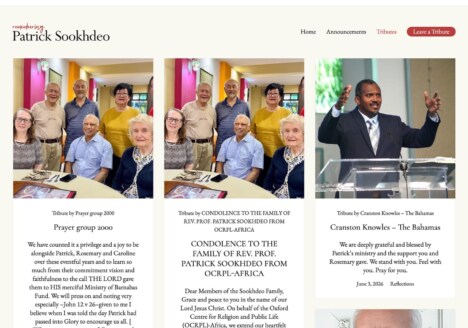
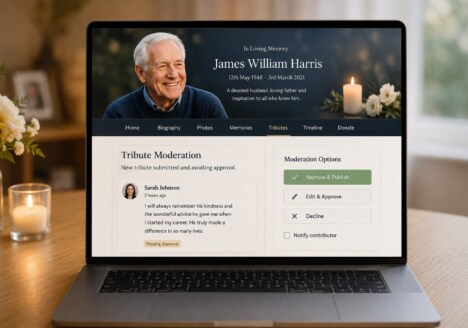
A website where people can leave tributes can gather these different voices over time. Reviewing submissions before they appear gives the family control of tone and privacy while preserving space for genuine stories from friends and relatives.
Keep the space dependable over time
A quiet memorial should remain easy to return to as years pass. New photographs, corrected captions and later recollections can be added within a consistent structure. One or two trusted family members can care for these updates at a pace that feels manageable.
Careful organisation also supports preserving family history through memorial websites. Context around photographs and stories helps future visitors understand the person, not just recognise a name or date.
The value of Remembrance Website Design is not measured by how many features a page contains. A clear, personal and accessible memorial can offer something quieter: a reliable place to pause, remember and feel connected, whether or not a visitor chooses to say a word.