A birthday, anniversary or other meaningful date can bring memories into sharper focus. On those days, family and friends may want a quiet place to revisit photographs, read familiar stories or leave a new thought. Thoughtful Remembrance Website Design can support those moments without making the memorial feel tied to only one date on the calendar.
Give visitors a familiar place to return
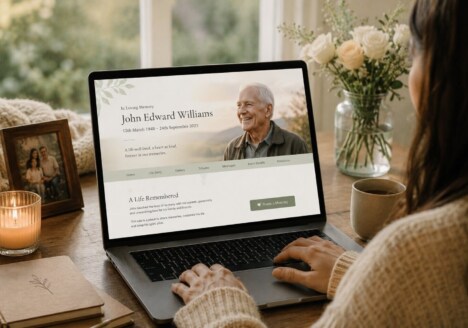
A dedicated website offers continuity. Someone can open the same page from home, while travelling or after receiving a message from a relative. A clear welcome, a favourite photograph and an easy route to the life story make returning feel natural, even for visitors who have not been to the site for some time.
The design should be calm and dependable throughout the year. Readable text, straightforward navigation and uncluttered pages matter more than seasonal effects. Our article on why a memorial website is a lasting way to honour a loved one considers how this ongoing availability can help families feel connected.
Mark dates in a personal way
An anniversary note need not be elaborate. A short reflection, a newly discovered photograph or a memory of how the family once spent that day may be enough. These additions work best when they fit the person’s character rather than following a fixed template.
Families can choose which dates they want to recognise and whether those dates should appear publicly. Some prefer to note a birthday or wedding anniversary; others may want a private family milestone. Memorial Web Design should make those choices flexible and respectful.
Invite memories without creating pressure
Important dates can prompt people to share stories, but participation should always be optional. A simple invitation such as “What do you remember about this day?” gives visitors a starting point while leaving them free to write in their own voice—or simply read.
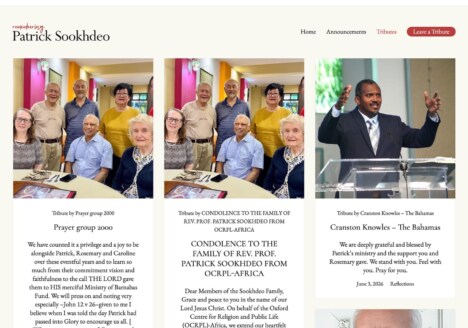
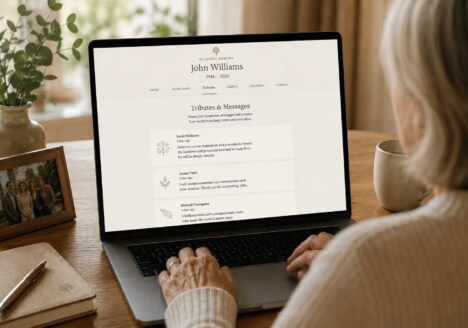
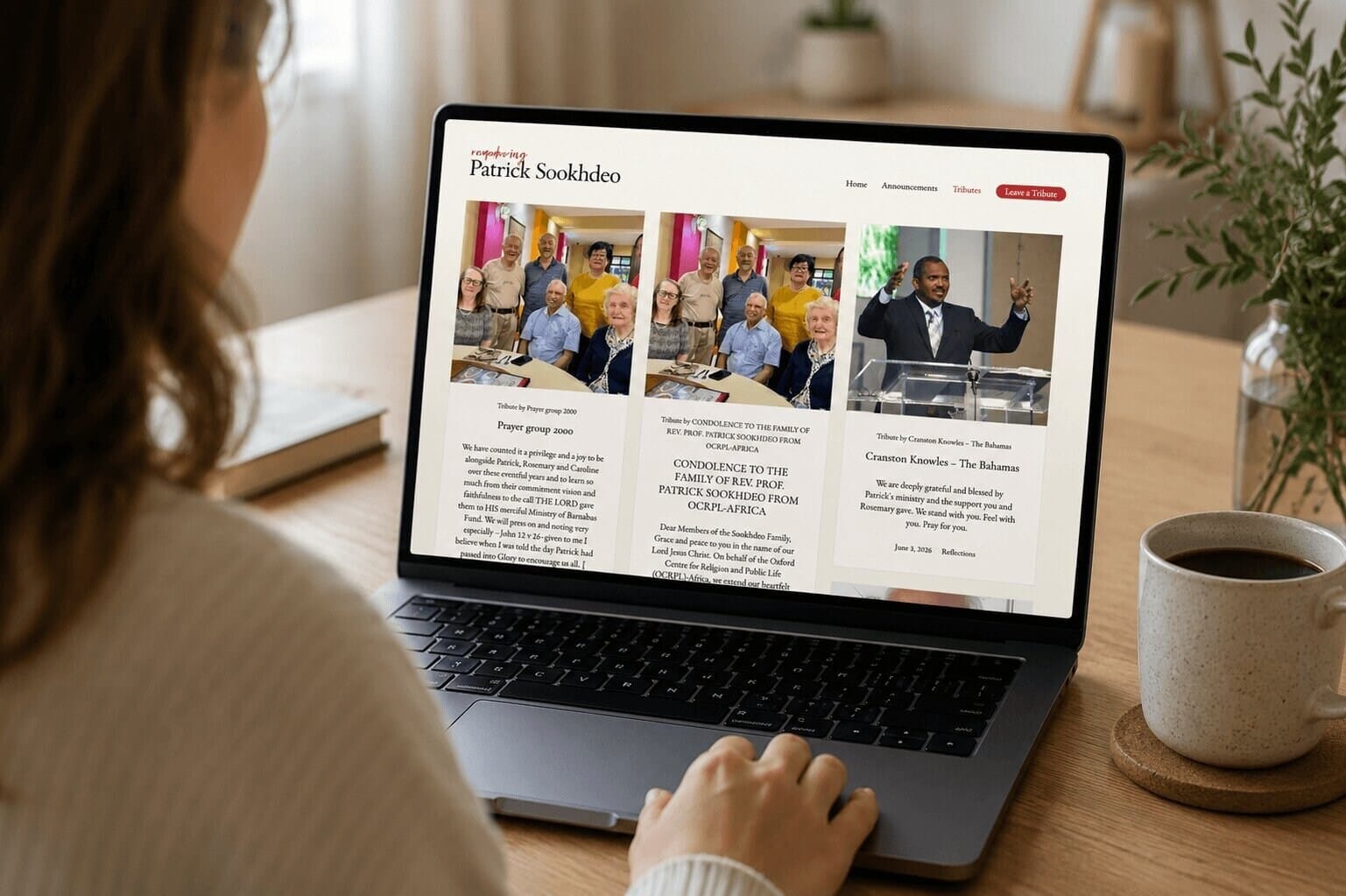
A website where people can leave tributes can gather these reflections over time. Messages from friends, neighbours and relatives may reveal different parts of the person’s life, making an anniversary feel shared even when people cannot gather in one place.
Use photographs and stories with context
A photograph added on an anniversary becomes more valuable when its story accompanies it. A brief caption can identify who is pictured, where they were and why the moment matters. Audio clips, scanned letters or a favourite recipe can also evoke the person in a gentle, specific way.
Organising these materials by theme or life chapter helps new visitors explore beyond the anniversary itself. It also supports preserving family history through memorial websites, so the details remain understandable to younger generations.
Keep the memorial comfortable to care for
A family should not feel obliged to update the website on every significant date. One or two trusted people can add material when they are ready, review contributions and keep details accurate. A flexible structure lets the memorial grow without implying that remembrance must follow a schedule.
The site should remain accessible on phones, tablets and computers, since people may visit from many different settings. Clear headings, sensible contrast and simple controls help every generation find what they need.
Remembrance Website Design is most helpful when it offers a steady, personal space rather than a prescribed way to grieve. On an important anniversary—or an ordinary day—the memorial can be there for anyone who wants to remember, contribute or feel close to a life that still matters.