
The moments people miss most are not always the grand occasions. A familiar laugh, a Sunday routine, a favourite meal or a phrase repeated for years can carry enormous meaning. Thoughtful Remembrance Website Design gives these everyday memories a permanent home, helping a memorial feel close to the person’s real character rather than limited to formal milestones.
Look beyond dates and achievements
Birthdays, careers and major events provide a useful outline, but the texture of a life often appears in smaller details. Relatives might remember the music played in the kitchen, the route of a favourite walk or the way someone welcomed visitors. Including these details creates a warmer and more recognisable portrait.
A simple way to gather them is to ask family and friends what they picture first when they think of the person. Their answers often reveal vivid scenes that would never appear in a traditional biography. Sensitive memorial web design for tributes can weave those scenes into the wider life story without making the pages feel crowded.
Use photographs that show ordinary life
Formal portraits have an important place, yet candid photographs can be just as powerful. An image from a family meal, a garden, a workplace or a day out may capture gestures and expressions that loved ones instantly recognise. These photographs help visitors remember how it felt to spend time together.
Captions preserve the context around each image. Naming people, places and approximate dates prevents knowledge from fading and makes the gallery useful to future generations. Scanned notes, recipes, postcards and small keepsakes can add further insight into daily life.
Invite stories from different circles
Family members, neighbours, friends and colleagues each see a different part of someone’s routine. One person may remember a daily act of generosity, while another recalls a shared joke or a reliable habit. Bringing these perspectives together creates a fuller and more human memorial.
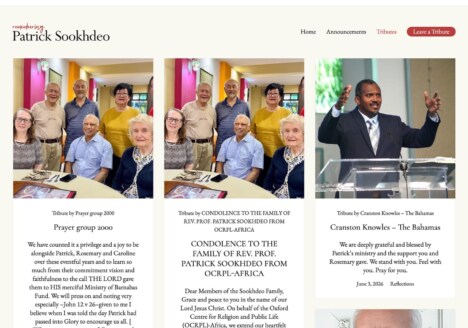
A website where people can leave tributes makes it possible to collect those memories gradually. Gentle prompts can encourage contributors to describe a particular moment rather than feeling they must write a polished account of an entire life.
Organise small memories with care
Everyday stories can be grouped into themes such as home, friendship, work, humour, hobbies or community. Clear headings and short introductions help visitors understand how individual memories fit together. The design should remain simple enough for people to explore without losing the intimacy of the material.
Good Memorial Web Design also works across phones, tablets and larger screens. Readable text, straightforward navigation and consistent photograph layouts allow visitors of different ages to engage comfortably. Accessibility ensures the memorial welcomes the whole circle of people connected to the person.
Protect the stories as the collection grows
New memories may arrive long after publication, so one or two trusted relatives can provide light stewardship. They can check names, add context and decide where each contribution belongs. This keeps the website accurate while allowing it to develop naturally.
Reviewing submissions before they appear publicly protects privacy and preserves a respectful tone. Guidance on memorial websites with comment moderation helps families welcome genuine contributions while retaining control of the space.
Everyday memories are easy to overlook precisely because they once felt so ordinary. Remembrance Website Design can preserve them alongside the major chapters of a life, creating a tribute that feels detailed, familiar and true. For families now and in the future, those small stories may become some of the most treasured parts of the memorial.