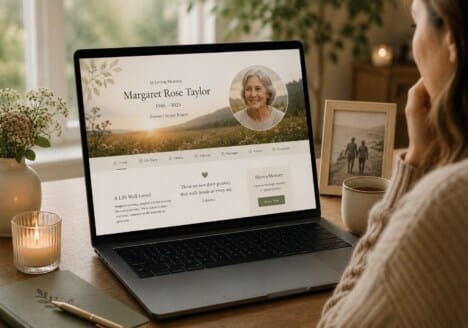
A memorial website becomes especially meaningful when it reflects more than one person’s memories. Relatives and friends often hold different photographs, stories and details, and bringing them together can create a richer portrait of a life. Thoughtful Remembrance Website Design makes collaboration simple while keeping the tribute calm, organised and respectful.
Agree on the purpose of the memorial
Before collecting material, it helps for the family to discuss what they want the website to become. It might be a public tribute for a broad community, a family history resource for future generations or a quieter space shared with invited visitors. A clear purpose guides decisions about content, privacy and participation.
Families can also identify the qualities and themes they most want to convey. Kindness, humour, creativity, service or devotion to family may provide a natural thread through the pages. Sensitive memorial web design for tributes turns those shared intentions into a coherent structure without losing individuality.
Give contributors simple prompts
People often want to contribute but do not know where to begin. Gentle questions can help: What is your earliest memory? Which occasion still makes you smile? What quality did you admire most? Specific prompts encourage personal stories and make the task feel less formal.
It can be useful to ask contributors for context alongside photographs. Names, locations, approximate dates and a short explanation preserve information that may otherwise be lost. The additional detail helps younger family members understand why each moment belongs in the memorial.
Organise many voices into one clear experience
Contributions can differ greatly in length and tone, so a consistent layout helps them feel connected. Stories might be grouped by life chapter, relationship or theme. Short introductions can explain each section, while headings and captions give visitors an easy path through the material.
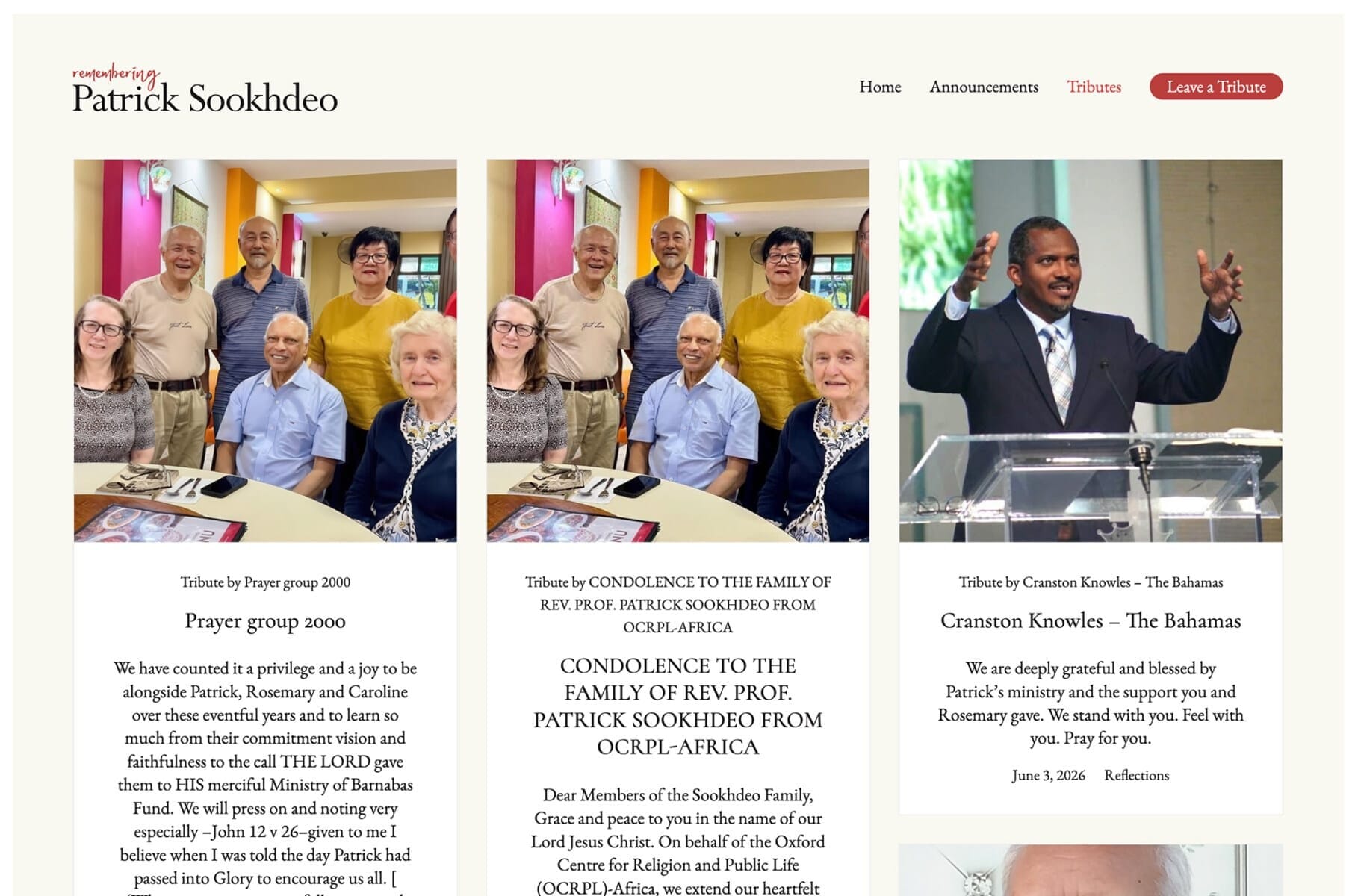
A website where people can leave tributes allows the collection to continue growing after publication. Good Memorial Web Design ensures new messages fit naturally into the existing structure rather than making the pages feel crowded.
Keep trusted relatives in control
Collaboration works best when one or two people take responsibility for light stewardship. They can review submissions, check factual details, add captions and decide where new material belongs. This does not limit participation; it protects the quality and dignity of the shared space.
Reviewing visitor messages before they appear publicly also protects privacy and prevents unwanted content. Guidance on moderating and controlling visitor comments can help families welcome contributions confidently while retaining final approval.
Allow the website to grow at a gentle pace
There is no need to collect every story before the memorial goes live. Some relatives may need more time, old albums may surface later and distant friends may discover the website months afterward. A flexible structure makes room for these additions without creating pressure.
The design should remain accessible as the collection expands. Clear navigation, readable text, responsive pages and consistent image treatment help visitors of different ages use the memorial comfortably. Regular small updates are often easier to manage than occasional large reorganisations.
Collaborative Remembrance Website Design turns separate memories into a shared family record. With clear intentions, useful prompts, thoughtful organisation and trusted moderation, relatives can build something together that no single person could create alone. The result is a lasting memorial enriched by many voices and ready to welcome new stories over time.