A memorial website carries deeply personal material, so its design should make that material easier to approach. Simplicity creates room for photographs, stories and tributes to speak for themselves. In thoughtful Remembrance Website Design, a clear and restrained structure is not plain or impersonal; it is a way of showing care for every visitor and every memory.
Give the memories room to breathe
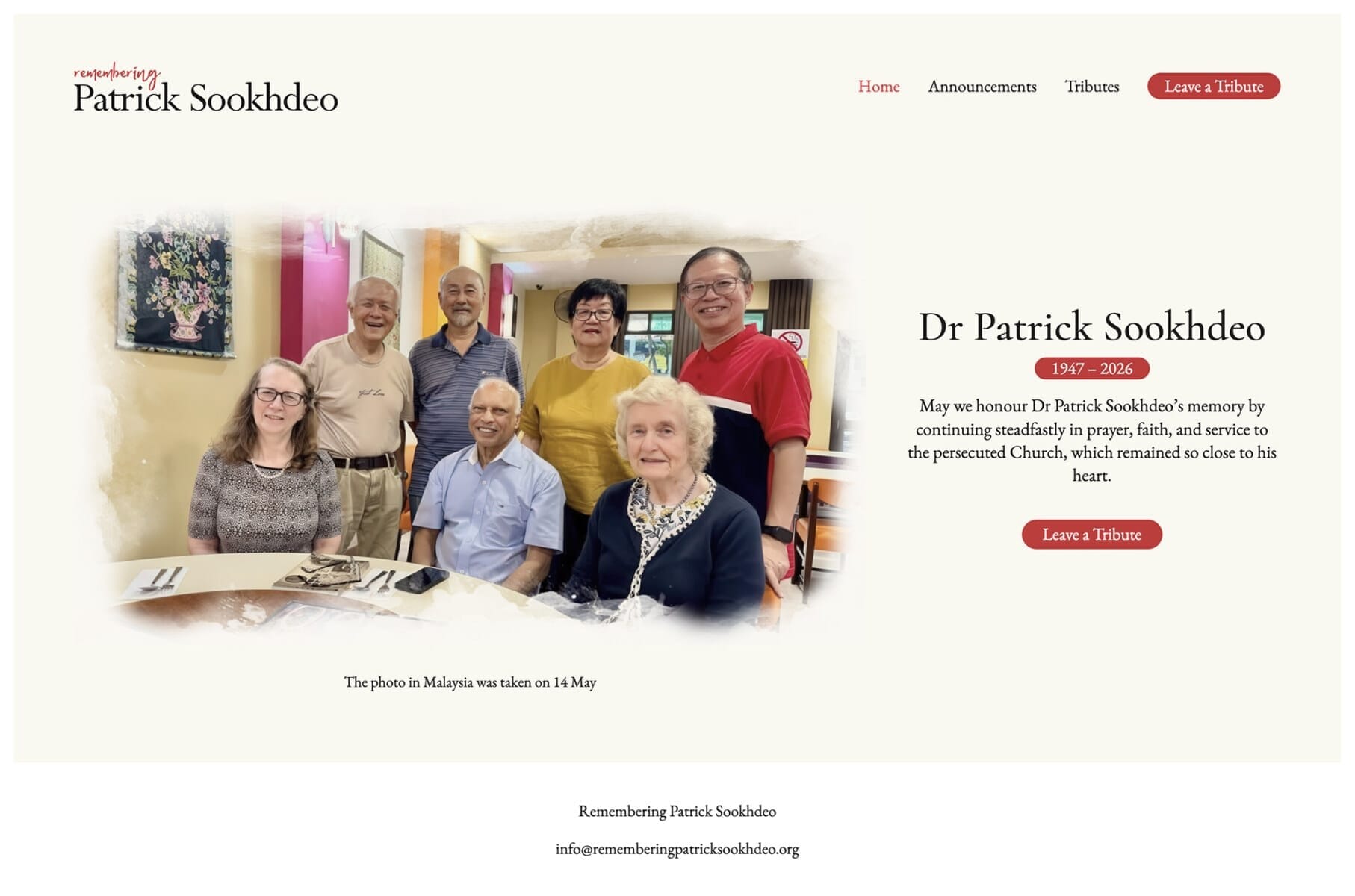
When too many elements compete for attention, visitors can find it difficult to settle into a memorial. Generous spacing, a limited colour palette and readable typography create a calmer experience. The eye can rest on a favourite portrait or a meaningful passage without being pulled towards unnecessary decoration.
This approach works especially well when the website contains emotionally important material. Sensitive memorial web design for tributes supports the person’s story while allowing their character to guide the visual details. Simplicity provides the foundation, and carefully chosen personal touches provide the warmth.
Make every section easy to understand
Visitors should know immediately where to find the life story, photograph gallery and shared tributes. Clear section names and a short navigation menu reduce uncertainty, particularly for relatives who are less confident online. A predictable page structure also helps people browse at their own pace.
Content can be divided into manageable chapters rather than presented as one long page. Childhood, family, work, friendships and interests can each have a focused section. This keeps the memorial organised without turning it into a formal archive.
Use fewer photographs more thoughtfully
A large collection can be valuable, but careful selection often makes a gallery more meaningful. Choosing photographs that represent different periods and relationships gives visitors a rounded view of the person. Brief captions preserve names, locations and occasions so the significance of each image is not lost.
Additional images can always be added as the memorial grows. The aim is to create a clear journey rather than display everything at once. This helps with preserving family history through memorial websites, because information remains accessible and connected to the stories that give it meaning.
Keep contributing straightforward
Friends and relatives may want to share a memory but feel unsure about what to write. A simple form and one or two gentle prompts can make the process less daunting. Asking about a favourite occasion, a quality they admired or a lesson they remember often encourages more personal contributions.
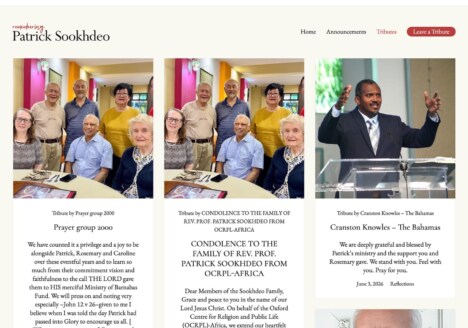
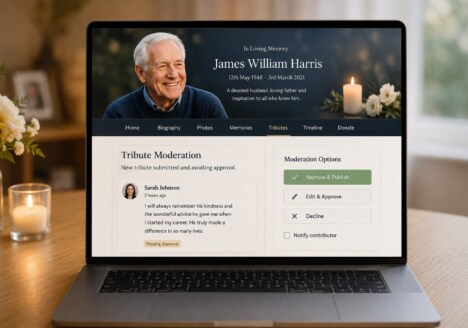
Families can review messages before publication to protect privacy and maintain a respectful tone. A memorial website with comment moderation can welcome many voices while keeping control in trusted hands. The process should feel clear for contributors and manageable for those caring for the site.
Build for comfort over the long term
Simple Memorial Web Design is easier to maintain as years pass. New stories and photographs can fit into an established structure without making the site feel cluttered. Relatives can make small additions when they are ready rather than feeling pressure to complete the memorial immediately.
Simplicity also supports accessibility across phones, tablets and computers. Strong contrast, sensible heading order and clear controls help people of different ages and abilities use the website comfortably. These details quietly widen the circle of people able to take part in remembrance.
A meaningful memorial website does not need elaborate features to make a lasting impression. By removing distractions and organising content with care, Remembrance Website Design can create a peaceful place where the person remains at the centre. That clarity makes it easier for visitors to reflect, contribute and return whenever they wish.