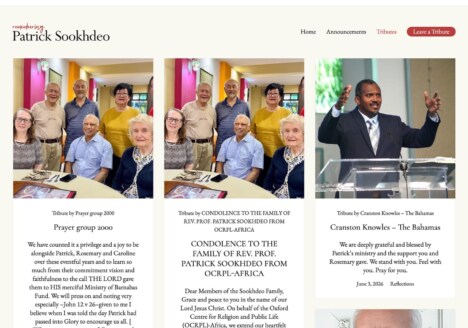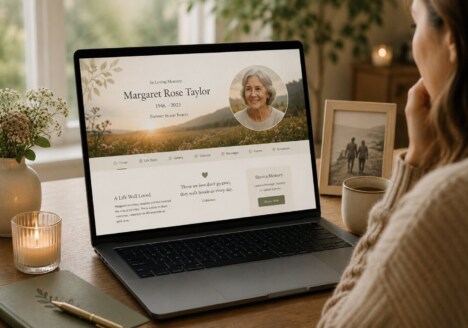

A remembrance website brings different parts of a life into one thoughtful place. Stories reveal personality, photographs preserve familiar faces and occasions, and tributes show the influence someone had on other people. Sensitive Remembrance Website Design helps these elements work together, creating an online memorial that feels personal, clear and welcoming.
Use a life story as the connecting thread
A biography gives visitors a helpful overview, but it does not need to read like a formal record. Writing in a warm, natural voice can make important events feel closer and leave room for the everyday qualities people remember most. Childhood, family life, work, friendships, interests and community can each form a simple chapter.
The story also provides context for everything else on the website. Photographs and visitor memories become more meaningful when people understand where they fit. Thoughtful memorial web design for tributes creates this sense of connection without making the pages feel crowded or complicated.
Turn photographs into a guided journey
A gallery should be easy to browse and rich in detail. Instead of placing every image in one long collection, photographs can be grouped by life stage, relationship, location or theme. Short captions identify people and places while explaining why a particular moment mattered.
Other visual material can add depth too. Scanned letters, handwritten recipes, awards, artwork and treasured objects often carry stories that a portrait alone cannot show. Including them selectively creates a varied record while keeping the experience calm and focused.
Invite tributes from different parts of a life
Family members know one side of a person, while friends, neighbours and colleagues may know another. Their contributions can reveal humour, kindness, determination and shared experiences that might otherwise be missed. A simple invitation to leave a message makes participation feel approachable.
A dedicated website where people can leave tributes allows these memories to gather over time. Families can suggest useful prompts, such as asking visitors to recall a favourite occasion or describe what they learned from the person, helping contributors move beyond a brief condolence.
Keep the design calm and accessible
Good Memorial Web Design supports the content rather than competing with it. Readable typography, gentle colours, clear headings and generous spacing help visitors focus on the memories. Navigation should be straightforward enough for people of different ages and levels of digital confidence.
The website should also work comfortably on phones, tablets and computers. Strong colour contrast, descriptive text for images and logically ordered headings make the memorial easier for more people to use. These quiet design decisions help every visitor feel included.
Protect the memorial as it grows
New memories may arrive long after publication, so the website needs a simple way to expand. One or two trusted relatives can organise submissions, correct details and add newly discovered photographs. This light stewardship keeps the memorial accurate without preventing other people from contributing.
Reviewing messages before they appear publicly helps preserve privacy and a respectful tone. Our guidance on memorial websites with comment moderation explains how families can welcome genuine stories while retaining control of the space.
Stories, photographs and tributes each offer a different way to remember. When Remembrance Website Design gives them a clear structure and a gentle visual setting, they form something richer than a collection of individual items. The result is a lasting memorial where visitors can learn, contribute and reconnect with a life in their own time.