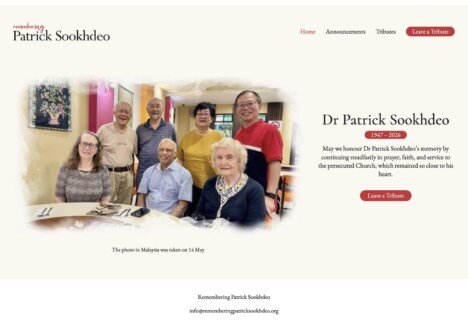

A meaningful online memorial should feel as individual as the person it celebrates. While names, dates and photographs form an important foundation, the details that bring a tribute to life are often more personal: a familiar phrase, a favourite place, a much-loved song or a story that still makes the family smile.
Thoughtful memorial web design brings these elements together in a calm, lasting space. Unlike a standard social media profile, a dedicated website can be shaped around one life, with a tone and structure chosen specifically for the family. Our article about celebrating a loved one with a memorial website offers a useful introduction to the possibilities.
Begin With the Person, Not the Template
The most personal remembrance websites begin with listening. What did the person value? Which colours, landscapes or objects were closely associated with them? Were they known for quiet kindness, energetic humour, creativity or devotion to family? These qualities can guide every design decision, from typography and imagery to the order in which stories appear.
A template can provide a practical framework, but it should never dictate the character of the tribute. Sensitive customisation helps a website feel authentic without becoming visually complicated. The best design choices are often restrained, allowing the memories themselves to remain the strongest presence on each page.
Use Photographs to Tell a Story
Photographs can show the different chapters of a life more immediately than words alone. Rather than placing every image into one large gallery, families may choose to organise photographs around childhood, relationships, work, travel, interests and celebrations. Short captions can preserve the names of people and places that future generations might not otherwise know.
Combining images with a written life story creates a richer experience. Visitors can follow the main narrative and then explore individual memories at their own pace. This approach supports the wider aim of preserving family history through memorial websites, connecting personal photographs with the stories behind them.
Welcome Contributions With Care
Friends, relatives and colleagues will each remember something different. Inviting them to contribute can reveal stories the immediate family has never heard and create a more complete portrait. Messages may be short and simple, while others might share detailed recollections, poems or photographs.
Families should also feel comfortable about what appears publicly. Moderation tools make it possible to review contributions before they are displayed, maintaining a respectful and reassuring environment. Our guide to memorial websites with comment moderation explains how participation and family oversight can work together.
Create a Calm Experience for Every Visitor
A remembrance website may be visited during emotionally difficult moments, so clarity matters. Simple menus, readable text and generous spacing reduce distraction. Pages should load well on phones, tablets and computers, and visitors should be able to find the life story, gallery and tribute messages without confusion.
Accessibility is part of this care. Descriptive text for images, strong contrast and straightforward navigation help people of different ages and abilities use the site comfortably. When memorial web design is working well, the technology feels almost invisible and the visitor’s attention stays with the person being remembered.
Allow the Memorial to Grow Over Time
A personal tribute does not need to be complete on its first day. New photographs may be discovered, anniversaries may inspire fresh reflections, and distant relatives may contribute stories months or years later. A flexible website can grow without losing its clarity or emotional tone.
The result is more than a collection of information. It is a living, carefully held record of personality, relationships and shared experience. By beginning with the individual and designing every element with sensitivity, an online memorial can feel genuinely personal while keeping precious memories accessible for generations to come.