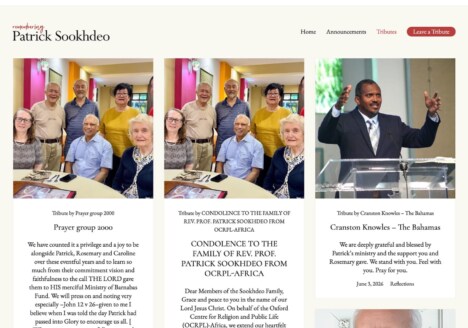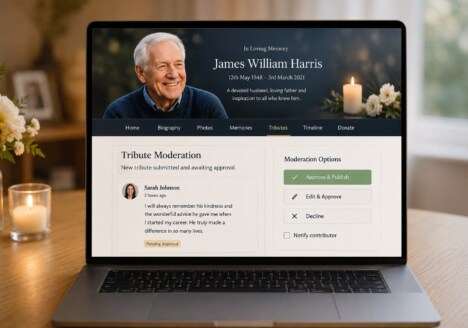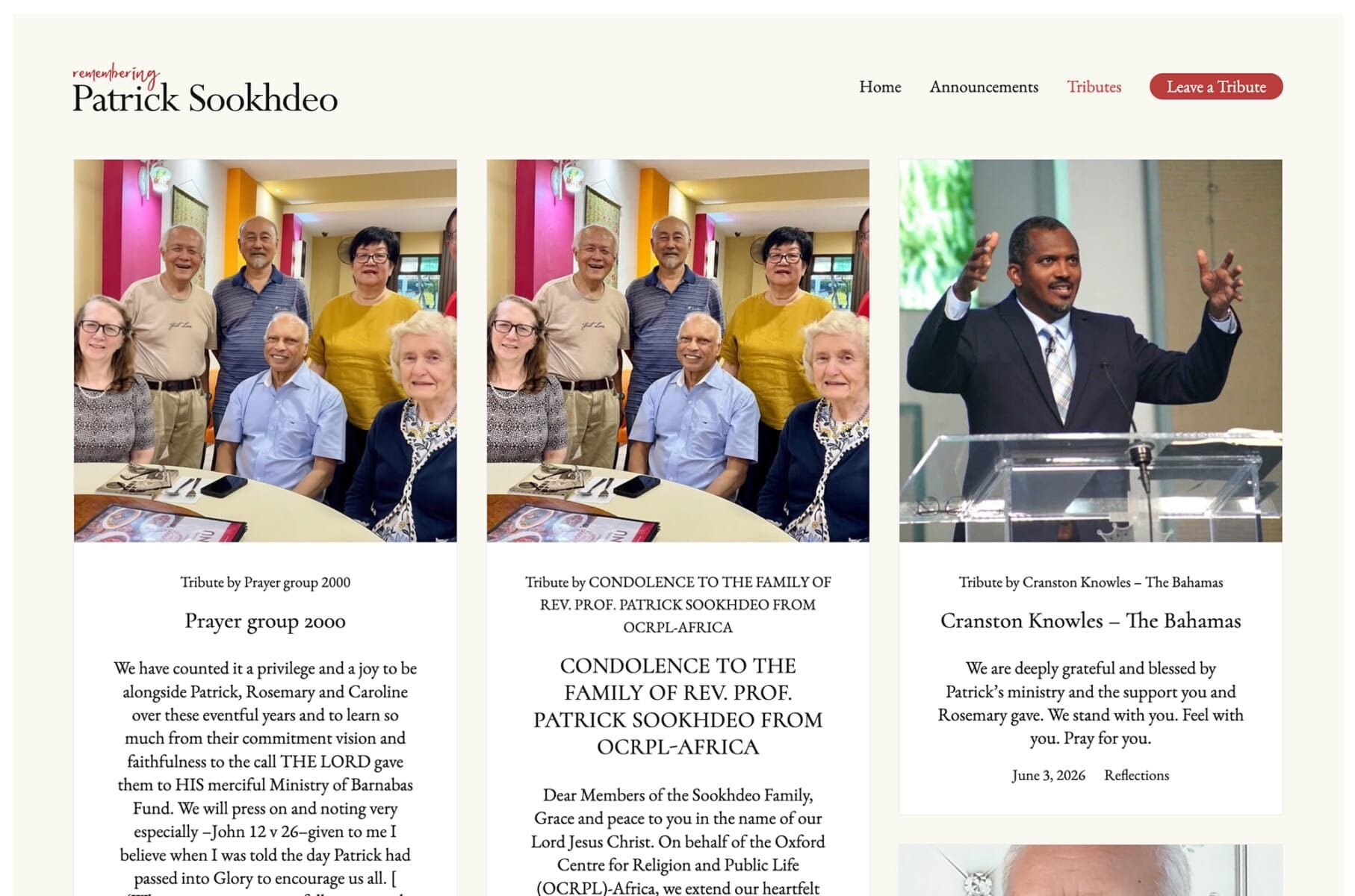
A remembrance website is more than a collection of dates, photographs and kind words. When it is planned with care, it becomes a calm place where a family can return to a person’s story in its own time. Good Remembrance Website Design gives memories enough room to breathe, while thoughtful Memorial Web Design makes the experience easy to use for relatives and friends who may be visiting from different places, generations and backgrounds.
The most meaningful memorial spaces are not necessarily the busiest or most elaborate. They are the ones that feel true to the person being remembered. A familiar colour, a favourite landscape, a handwritten message or a carefully chosen photograph can create a sense of welcome before a visitor has read a single sentence. The design should support remembrance quietly, helping the story take centre stage.
Begin with the shape of a person’s story
Every life has its own rhythm. Some families want a clear timeline that moves from childhood through work, friendships, family life and later years. Others find that a timeline feels too formal, preferring a set of chapters built around places, passions, sayings, recipes or everyday routines. The first task in a remembrance website is therefore not choosing a template; it is listening for the shape that already exists in the memories being gathered.
A useful structure might open with a short welcome, followed by a biography, a photo story, memories from loved ones and a section for anniversaries or shared traditions. Another family may need a simpler path: an opening tribute, a gallery, a guestbook and a page explaining how visitors can contribute. The best approach is the one that removes pressure from contributors and lets visitors find the parts of the story that matter most to them.
This is where a considered memorial website can make a real difference. It gives different kinds of memory a place without forcing them into one voice. A long recollection, a single sentence, a scanned letter and a favourite song can sit within the same overall design while retaining their individual character. For further ideas, designing a memorial website for the people who keep memories alive shows how the experience can remain welcoming for everyone who returns to it.
Make sharing gentle and accessible
Many of the people who contribute to a remembrance website will not think of themselves as writers. They may be carrying fresh grief, looking after children, living in another country or unsure whether their memory is “important enough” to share. A gentle design can lower that barrier. Clear prompts such as “What do you remember most?” or “Where did you spend time together?” can help someone begin without dictating what they should say.
Contribution routes should be easy to understand on a phone as well as a laptop. A short form, a visible email option or clear instructions for sending photographs can be more valuable than a complicated members’ area. The site should explain what happens after a contribution is sent, who will review it and whether the family may edit it later. These small details build trust and give contributors a feeling of control.
Accessibility is part of remembrance, not an optional extra. Readable type, generous spacing, meaningful image descriptions, strong colour contrast and calm navigation help older relatives and visitors with disabilities take part. Captions can add vital context to photographs, while transcripts make spoken memories available to people who cannot hear them. A family story becomes more complete when more people can reach it.
Design for the moments families return to
People rarely visit a memorial website only once. They may return on a birthday, an anniversary, a religious holiday or a day when an ordinary detail suddenly brings someone to mind. The design should make those return visits feel natural. A prominent navigation menu, a search function for larger archives and a homepage that can be refreshed with new memories all help the site remain useful over time.
It is also worth planning for memories that arrive slowly. A family may discover an old photograph months later, or someone may finally feel ready to write a story years after the funeral. A memorial website should have a flexible content structure so that new material can be added without disturbing the original tribute. A simple “recently added” area or a seasonal memory feature can acknowledge that remembrance continues to unfold.
Visual pacing matters here. Not every page needs a dramatic hero image or animated effect. Quiet transitions, restrained typography and consistent spacing can create a sense of reflection. If a photograph deserves attention, give it room. If a story is difficult, let the page be uncluttered. Remembrance Website Design for the details families never want to lose is a helpful example of why small, specific memories often deserve as much care as major milestones.
Let the website become a shared place
A memorial website can gently connect people who knew different sides of the same person. One visitor may remember their humour at work, another their patience as a parent, and another a quiet kindness that was never widely known. The design should allow these perspectives to sit alongside one another without competing for a single definitive version of a life.
That may mean using contributor names, dates and optional locations, while avoiding a rigid ranking of whose memory is most important. A moderated guestbook, private submission option or family-only area can help people share honestly while still protecting the tone of the space. Clear guidance about privacy, permissions and respectful language gives the website a durable foundation.
Ultimately, strong Memorial Web Design is an act of care. It turns a collection of digital pages into a place with a sense of presence: somewhere a grandchild can learn a story, a friend can leave a message and a family can add another photograph when they are ready. When the structure is clear and the visual language is personal, the website does not try to replace remembrance. It helps people practise it together.
For families beginning this process, the most useful next step is often to gather a small group of representative memories before making design decisions. Notice which stories are repeated, which images create an immediate response and which details reveal the person’s character. Those observations can guide the navigation, tone and content of the finished site, allowing the tribute to feel both carefully made and genuinely lived in.
Explore how Memorial Web Design can give shared memories a lasting shape.