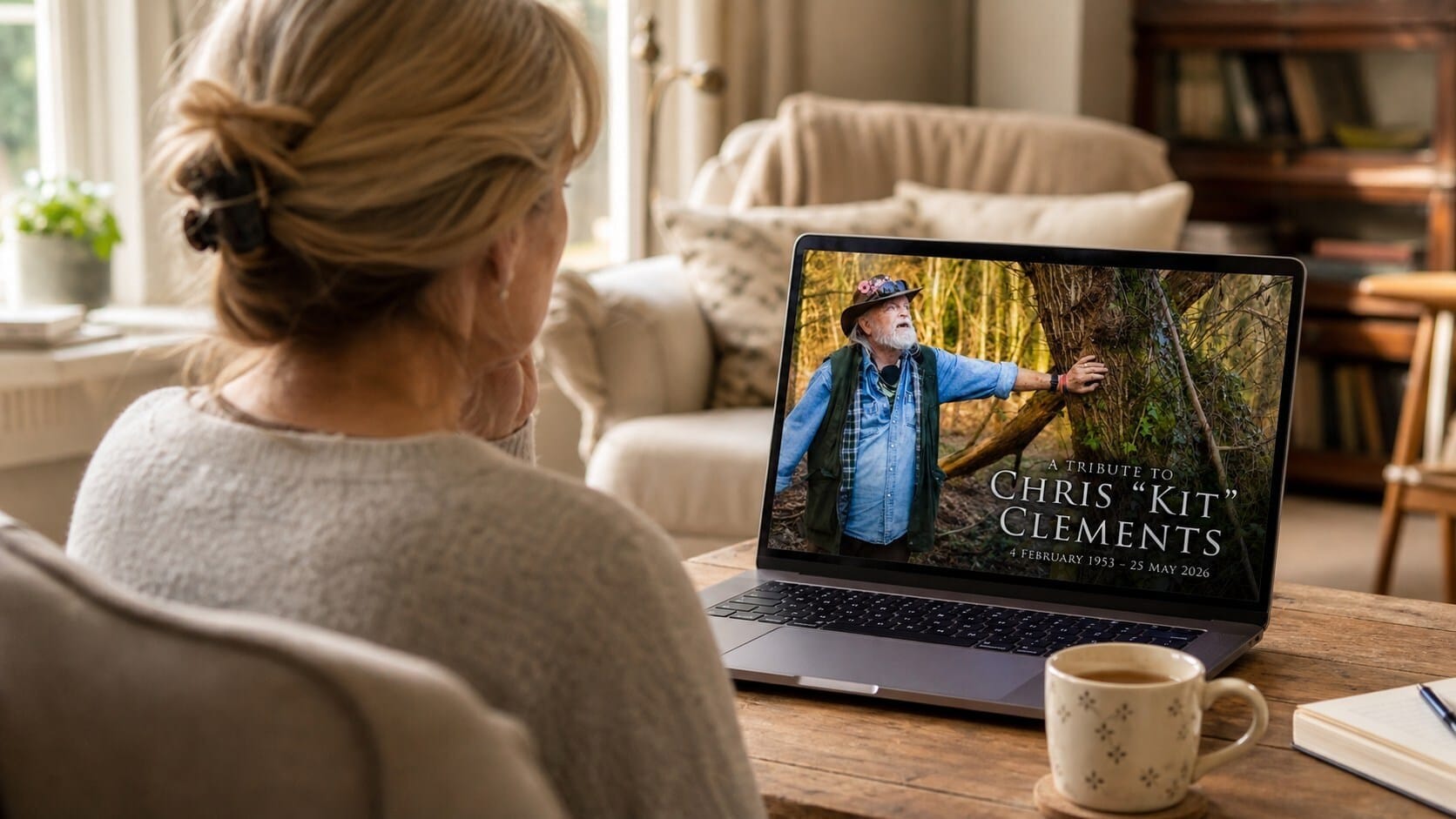
A memorial website is rarely finished in a single sitting. In the first days after a loss, a family may only have the energy to add a name, a photograph and a few words. Months later, someone may remember a favourite saying, find a box of letters or want to describe a tradition that had not seemed important before. Good Remembrance Website Design gives all of those moments somewhere to belong. It creates a calm digital space that can grow at the pace of remembrance rather than demanding a complete story straight away.
That patience is one of the most valuable qualities a memorial web space can offer. It recognises that people return to memories differently. One visitor may want to leave a short message, another may want to read quietly, and another may be ready to contribute a detailed story years later. The design should make each of those forms of participation feel natural, private where necessary and welcome when shared.
Start with a structure that can grow gently
The strongest memorial websites begin with a simple structure rather than a crowded collection of features. A clear welcome area can introduce the person being remembered, while separate spaces for photographs, stories, anniversaries and messages help visitors understand where their contribution belongs. This makes the website easier to use on an emotional day, when visitors may not have the concentration for complicated menus or unfamiliar interactions.
Flexible structure also protects a family from the pressure to fill every section immediately. Empty space can be intentional. A section titled “Stories to add” can quietly signal that the website is open for future contributions without making the family feel that anything is missing. As new material appears, the design should accommodate it without forcing older content into a new format. This is where thoughtful Remembrance Website Design becomes a practical form of care.
Make room for the small memories
Major milestones matter, but the details people remember most vividly are often ordinary: the way someone made tea, a phrase they used every morning, a favourite walk, a song played in the kitchen or the habit of keeping spare change in a particular drawer. A memorial website should make these small memories as easy to share as formal tributes. Short notes, captioned photographs and modest story cards can sit alongside longer biographies without competing with them.
This approach creates a fuller and more human portrait. Visitors are not limited to one official account of a life; they can see how a person was experienced by different people in different settings. One family member might contribute a story from childhood, a colleague might remember a kindness at work and a friend might describe a familiar joke. Together, those fragments create texture. The website becomes a gathering place for perspective rather than a fixed statement.
Design for visitors who return at different times
Remembrance is not a linear journey, so the experience should not assume that every visitor arrives with the same purpose. Someone may come to the site on a birthday, during a festival, on an anniversary or simply because a memory surfaced unexpectedly. A gentle navigation system can help visitors move from a short introduction to a gallery, a tribute page or a section of family stories without making them search.
It is also helpful to make recurring moments visible without turning them into a timetable. A simple anniversary note, a collection of seasonal photographs or a page for shared rituals can give the family a place to gather their attention. The most effective memorial web design treats return visits as part of the experience, using consistent layouts and readable typography so the site feels familiar each time someone opens it.
Balance personal expression with lasting clarity
A memorial website should feel specific to one life, but personal expression does not require visual complexity. Colour, type, photographs and small details can reflect a person’s character while the underlying layout remains calm and accessible. A gardener might inspire a soft natural palette, a musician might suggest a page organised around playlists and performances, or a keen traveller might be remembered through maps and place-based stories. The design choices should support the memories, not compete with them.
Clarity is especially important for a website shared across generations. Older relatives may use a phone with a smaller screen, while younger visitors may arrive through a social link. Clear headings, generous spacing, descriptive image captions and good contrast help everyone take part. If visitors can add a tribute without learning a complicated system, the family is more likely to receive the varied voices that make a memorial meaningful.
Protect the feeling of a shared family home
The best memorial websites feel less like an archive and more like a room that remains open. That feeling comes from small invitations: a prompt asking for a favourite memory, a photograph displayed with context, or a message that explains how contributions are reviewed. Families may also want private areas for sensitive material and public areas for wider remembrance. Clear permissions and respectful moderation can support both openness and trust.
Over time, the website can become a record of the relationship between memory and family life. New stories do not replace older ones; they sit beside them, helping the person’s presence remain part of conversations, rituals and everyday decisions. A well-made memorial website gives that process a durable home, with enough warmth to feel personal and enough order to remain useful for years.
Designing for memories that gather over time means accepting that remembrance will keep changing shape. The goal is not to predict every future contribution, but to create a generous foundation: easy to visit, easy to add to and gentle enough to hold both words and silence. When the structure respects the family’s pace, a memorial website can become more than a collection of pages. It can become a shared place where stories continue to arrive.