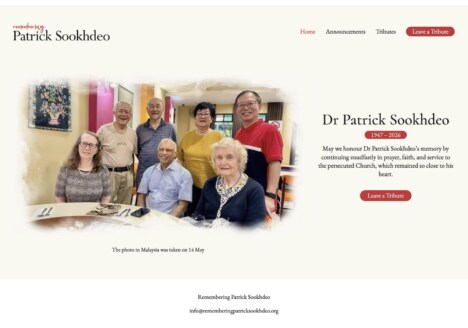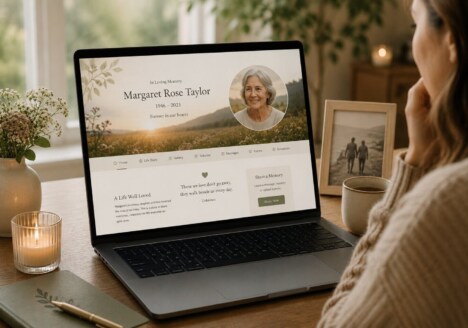
A remembrance website is often created after a funeral, but its value is not limited to one moment in a family’s calendar. The most meaningful memorial spaces give people somewhere to return when a birthday arrives, when an old photograph is discovered, or when an ordinary day suddenly brings someone to mind. Good Remembrance Website Design recognises that grief and memory do not follow a straight line. It creates a calm, welcoming place that can grow as a family continues to remember.
That sense of continuity begins with the way the website is planned. Rather than treating a memorial as a fixed online notice, families can think of it as a carefully tended collection of stories, photographs, music, messages and small details. The design should make those materials easy to find without making the experience feel busy. A clear introduction, a simple navigation menu and generous spacing can provide the quiet rhythm visitors need when they are reading about someone important.
Start with the details that make a life recognisable
Dates and formal biographical information have their place, but they rarely tell the whole story. A remembrance website becomes more personal when it includes the details that family and friends instinctively recognise: a favourite saying, the way someone welcomed guests, a familiar hobby, a treasured recipe or the stories that were repeated at gatherings. These details help visitors feel the character behind the facts.
When planning the content, it helps to invite contributions from different generations and parts of a person’s life. One relative may remember childhood adventures, while a colleague remembers generosity at work and a grandchild remembers a weekly tradition. A thoughtful memorial layout can give each contribution room to breathe, with short introductions, captions and optional dates that provide context without turning every memory into a formal record.
This approach also supports memorial website storytelling that feels natural rather than polished beyond recognition. Small, truthful observations often create the strongest sense of presence. They show how a life was experienced by the people who knew it, and they give future visitors a way to understand the person beyond a timeline.
Design a structure families can revisit easily
Visitors may arrive with different needs. Someone who knew the person well may want to browse slowly, while someone discovering the website years later may need a clear overview first. A strong structure can serve both. An opening tribute can explain who the person was, followed by sections for memories, photographs, important places, family messages and anniversaries. The page should make it obvious where to begin and easy to return to the main story.
Chronology is useful, but it should not be the only organising principle. Memories can also be grouped by relationships, interests, places or recurring occasions. A page about holidays may sit naturally beside a page about family traditions, while a gallery of everyday photographs can reveal a different side of the same life. This kind of flexible organisation is central to remembrance website design because it respects the many ways people remember.
Practical details matter too. Headings should be descriptive, links should be easy to identify and images should have useful captions or alternative text. A visitor using a phone should not have to pinch and zoom to read a message or navigate a gallery. Gentle typography, restrained colour and consistent spacing can make the website feel considered while keeping the focus on the person being remembered.
Leave room for memories to arrive later
Families often discover new material over time. An old box may contain letters, a neighbour may share a photograph, or a relative may finally feel ready to write about a particular memory. A memorial website should anticipate that possibility. It can include a simple invitation for contributions, a contact route for sending photographs and a clearly marked area for new stories or annual reflections.
That does not mean every addition needs to be published immediately or that the site must become a social feed. A measured editorial approach can protect the tone of the memorial. Contributions can be reviewed for clarity, permissions and privacy, then placed in the section where they belong. This keeps the website warm and active without allowing it to become cluttered.
A flexible design also makes it easier to honour anniversaries and family rituals. A yearly message, a favourite poem or a shared act of remembrance can be added without rebuilding the whole site. Over time, these additions create a record of both the life being remembered and the continuing relationship a family has with that memory.
Make the experience personal, calm and lasting
The best memorial websites do not rely on dramatic effects. They use thoughtful choices to create an atmosphere of care. A meaningful hero image, a carefully selected opening message and a clear route into the story can be more powerful than animation or elaborate decoration. The design should feel present but never compete with the words and photographs that matter most.
It is also worth considering the emotional journey of someone visiting for the first time. They may be grieving, curious, nostalgic or simply looking for a familiar face. A calm welcome, accessible text and a considerate content hierarchy can make the experience less demanding. This is where memorial web design becomes more than a visual exercise: it becomes a way of showing hospitality to people who are carrying a memory.
A remembrance website can never contain every part of a life, and it does not need to. Its purpose is to offer a genuine place where stories can be gathered, revisited and shared. When the design is personal, easy to use and open to future additions, it gives families something enduring: a digital space that keeps meaningful details close while allowing remembrance to continue in its own time.