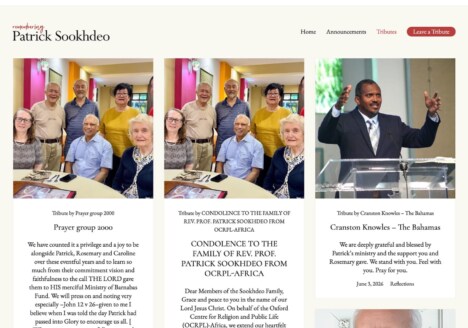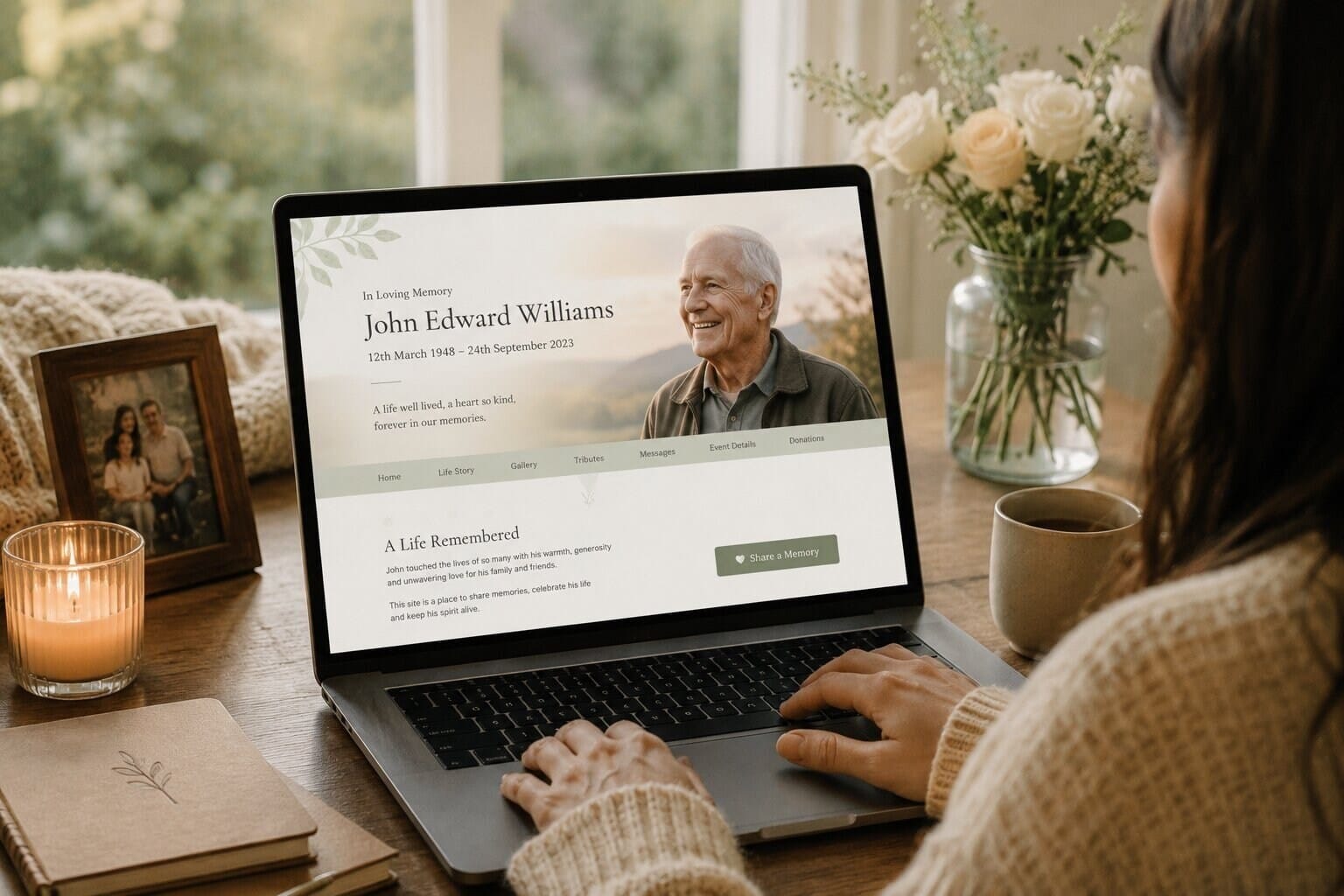
A remembrance website is more than an online collection of photographs. It can become a calm, dependable place where a family returns to a person’s story in its own time. Good Remembrance Website Design gives that story room to breathe, helping visitors find the moments, words and shared details that make someone feel present in everyday conversation.
Families often begin building a memorial website with a practical need: to share service details, gather messages or give distant relatives somewhere to contribute. Over time, the purpose naturally grows. A page created for an anniversary may become a place for a new photograph, a remembered saying or a small story that had never been written down before. The best design anticipates that gradual, personal rhythm rather than treating the website as a finished memorial on launch day.
Start with a structure that feels easy to return to
A clear structure makes an emotional visit feel less demanding. The opening page should introduce the person with warmth and restraint, while navigation should make familiar destinations obvious: their life story, photographs, messages, important dates and a way to add a contribution. Visitors should not have to work out where a memory belongs. When the path is simple, people can focus on what they came to do.
This is especially important because remembrance is experienced in different ways. One visitor may want to read a long biography, another may look for a single photograph, and someone else may want to leave a short message before going back to their day. A thoughtful memorial website can support all three without making any one kind of participation feel more important than another. Useful headings, generous spacing and readable type are quiet design choices, but they show care.
It can also help to organise content around the shape of a life instead of the date content was uploaded. Chapters such as childhood, work, family life, friendships, interests and traditions give contributors helpful prompts. They make it easier to notice the small stories that might otherwise remain in private conversations. For inspiration, a family may also explore how a memorial website can gather memories over time without losing its sense of calm.
Make space for memories that arrive gradually
Many of the most meaningful memories appear after the first wave of arrangements has passed. Someone finds a letter in a drawer, remembers a holiday detail while cooking, or receives an old photograph from a friend. A remembrance website should make those additions feel welcome. Clear contribution instructions, a friendly form and a simple moderation process can help families add material without needing technical confidence.
Design should leave room for different lengths and textures of contribution. A two-line recollection can sit alongside a detailed story, a scanned recipe or a short recording. Consistent presentation gives these varied pieces a shared home, while preserving the contributor’s own voice keeps the memorial human. It is often better to show a little less at once and let visitors open a story when they are ready than to create a crowded wall of content.
Accessibility matters here as much as visual style. Text should be comfortable to read on a phone, images should have meaningful descriptions, and colour contrast should remain clear for visitors with different visual needs. Captions and transcripts can make photographs and recordings more inclusive. These decisions do not make a memorial feel clinical; they make it possible for more people to take part.
Use visual design to reflect a real personality
Memorial Web Design works best when it reflects the person being remembered rather than applying a generic solemn appearance. A love of gardening might inform the colour accents and image framing. A passion for music could inspire a gentle timeline of favourite songs, while a career, place or family tradition might suggest the visual language for section dividers. The aim is not to decorate grief, but to help the website feel recognisably connected to a life.
Photography deserves particular care. A small selection of well-cropped images usually creates more emotional clarity than a gallery that asks visitors to scroll through everything at once. Images can be grouped by relationship, place or period, with captions that explain why a moment mattered. A balanced layout should also allow quiet space around photographs, giving visitors time to look rather than turning memory into a rapid slideshow.
For families considering the balance between story and image, this approach to remembrance website design shows why an online memorial can support different voices without forcing them into the same format. A consistent visual system can hold the site together while letting each contribution remain distinct.
Design for the occasions when people come back
A memorial website earns its value through return visits. Anniversaries, birthdays, holidays and ordinary moments can all bring someone back to the same page, but the visitor’s needs may be different each time. A gentle reminder of important dates, a well-organised archive and a visible way to add a new message can help the website remain part of family life without becoming intrusive.
It is worth thinking about the practical life of the site as well. Families should know who can manage contributions, how photographs are stored, and how the website will be kept available in the years ahead. A clear ownership plan and regular backups protect the emotional work already invested. Small maintenance tasks, such as checking old links and keeping contact details current, help the memorial remain dependable when it is needed.
The most successful remembrance websites do not try to resolve grief or make a family’s memories uniform. They offer a thoughtful container for connection: somewhere to read, listen, add, pause and return. A design that is spacious, personal and easy to use can keep opening the door to stories that would otherwise fade into the background. As families continue to remember in new ways, the website can grow with them while keeping the person at its centre. See also how a remembrance website can give shared memories a lasting home.