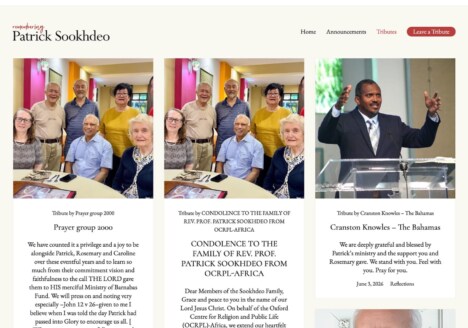
Remembrance does not follow a single timetable. In the first weeks after a death, a family may need a simple place for practical details and a few treasured photographs. Months or years later, someone may want to add a story, mark an anniversary, or share a memory that has only just come back into focus. Good remembrance website design recognises that changing rhythm. It creates a calm digital space that can hold what a family knows today while leaving room for what they may discover tomorrow.
A memorial website should feel considered rather than crowded. The best memorial web design gives visitors an easy way into the story, whether they arrive to leave a message, look at photographs, read a timeline, or simply spend a quiet moment remembering. That means designing for emotion as well as navigation: clear language, generous spacing, welcoming typography, and a structure that lets people pause instead of rushing them from one section to the next.
Start with a structure that can grow gently
Families often begin with a small collection of material: a name, a portrait, a short biography and a funeral notice. It is tempting to try to fill every page immediately, but an effective remembrance website does not need to feel complete on its first day. A strong foundation might include an introduction, a life story, a gallery, a memory wall and a section for important dates. Each area can remain focused, with the option to add detail as relatives gather photographs, letters and recollections.
This approach also helps different family members contribute in their own way. One person may write a detailed account of a career, while another contributes a recipe, a favourite saying or a photograph from an ordinary afternoon. The design should treat those small pieces as meaningful parts of the whole. A quiet note about a daily habit can reveal as much character as a formal achievement, particularly when it is presented alongside the voices of the people who knew the individual best.
For ideas about making a site welcoming to many contributors, designing a remembrance website for memories shared in different ways offers a useful perspective on variety, tone and participation.
Let the visual design carry warmth and restraint
Colour, imagery and typography all influence how a visitor feels on arrival. Soft contrast, an uncluttered layout and carefully chosen photographs can make a memorial website feel intimate without becoming overly solemn. That does not mean every design needs muted colours or a traditional appearance. Some lives are best represented by bright landscapes, confident type, playful details or a strong sense of place. The visual language should reflect the person being remembered, not a generic idea of mourning.
Photography deserves particular care. A single hero image can establish a sense of presence, while a well-spaced gallery allows visitors to move through different chapters of a life. Captions can add context for younger relatives or friends who did not share every period. Where possible, images should be easy to view on a phone, because many visitors will arrive through a shared message or a link sent by a family member.
Restraint matters just as much as personality. Animation should be subtle, background elements should never compete with faces or words, and every page should remain comfortable to read for someone who may be tired, emotional or unfamiliar with websites. Thoughtful memorial web design makes the experience feel human through the details it chooses to leave out.
Make returning and remembering easy
A remembrance website is rarely visited only once. People return on birthdays, anniversaries, holidays and ordinary evenings when they want to feel close to someone. Navigation should therefore be predictable. Keep the main sections visible, use descriptive labels, and make it easy to move from a photograph to the related story or from a timeline entry to a guestbook message. A search function can be valuable as the archive grows, but it should support a clear structure rather than compensate for a confusing one.
Important dates can be handled with sensitivity. A simple calendar or highlighted anniversary section may help a family remember shared occasions, while optional reminders can support relatives who live far apart. The goal is not to turn remembrance into a schedule of notifications. It is to create gentle prompts for connection, giving people a way to gather, write, light a candle, share a photograph or revisit a favourite passage together.
Families considering how a site can support repeated visits may also find value in designing a memorial website for the memories people return to together. The most successful spaces feel familiar each time they are opened, while still offering the possibility of finding something new.
Protect the story while keeping it accessible
Accessibility is part of remembrance, not an optional technical extra. Text should have strong contrast, headings should create a clear reading order, links should explain where they lead, and images should include useful alternative text. Buttons and forms need to work on a phone as well as a laptop. These decisions make the site easier for older relatives, visitors with disabilities and anyone browsing on a slower connection.
Privacy deserves an equally thoughtful approach. Some families will want a public tribute, while others may prefer a private or invitation-only space. A memorial website can separate public information from more personal galleries, condolence messages or family documents. Clear choices about moderation and contribution permissions help the site remain respectful as more people participate.
It is also wise to keep copies of original photographs and written material outside the website. A reliable content plan, regular backups and an easy way to export important contributions can protect the archive over time. The website is the place where people meet the story, but the story should never depend on one screen or one person knowing how to maintain it.
A living place for an enduring connection
The strongest remembrance website design does not try to close a life story with a single finished page. It creates an inviting framework where memories can be added, revisited and understood from new angles. Over time, a child may discover a grandparent through an old photograph, a friend may contribute a story the family had never heard, or a familiar detail may take on a deeper meaning. Those additions keep the site connected to real life.
When structure, tone and care work together, a memorial website becomes more than an online notice. It becomes a shared place for attention: somewhere to tell the truth of a whole life, honour the small details, and let families keep finding one another in the memories they hold together. For a wider look at creating a digital space around the people who keep those memories alive, see designing a memorial website for the people who keep memories alive.