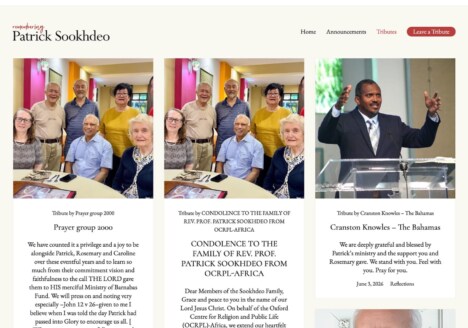
A remembrance website can become a gentle place for a family to return to when they want to remember someone in their own time. Unlike a printed order of service or a social media post that quickly disappears into a feed, a carefully considered online memorial can hold photographs, stories, messages and small details together. It gives people room to contribute without asking every visitor to remember in exactly the same way.
Good remembrance website design begins with an understanding that grief is personal and uneven. Some visitors may want to write a long story, while others may only have a photograph, a favourite saying or a memory of an ordinary afternoon. The design should welcome all of those contributions. Clear navigation, calm typography and an uncluttered page structure help the website feel approachable rather than demanding.
A calm structure for shared memories
The most useful memorial websites make it easy to understand where everything belongs. A short introduction can explain who the site remembers and invite visitors to explore at their own pace. From there, dedicated areas for a life story, photo collection, messages and important dates allow different types of memory to sit alongside one another without competing for attention.
This structure is especially valuable when a family has gathered material from many sources. One person may have scanned childhood photographs, another may hold stories from a workplace, and someone else may know the details behind a much-loved tradition. A thoughtful layout can give each contribution enough space while still making the whole website feel like one connected portrait.
It can also help to create a quiet rhythm between longer sections. Short captions, considered headings and generous spacing make pages easier to read on a phone as well as a larger screen. The aim is not to fill every available area, but to make each photograph, memory and message feel intentional.
Designing for different ways of remembering
There is no single correct way to take part in a memorial. Some family members will want to tell detailed stories; others may prefer to leave a brief note on an anniversary. A good memorial web design makes both options feel equally valid. Simple forms, readable prompts and an obvious way to return later can reduce the pressure of contributing everything at once.
Accessibility matters here because visitors may be older, may be using a phone with a small screen, or may be approaching the website while feeling tired and emotional. Strong colour contrast, meaningful link text, descriptive image captions and a logical heading order all make a difference. These are quiet design decisions, but they communicate care to everyone who visits.
A remembrance site can also accommodate different levels of privacy. Families may choose to share the complete story publicly, keep some galleries limited to invited people, or use a private contribution area before deciding what belongs on the main site. Explaining these choices clearly helps contributors feel confident that their words and photographs are being handled respectfully.
Letting the everyday details lead
The most moving memorial pages are often built from details that might seem small at first: the way someone made tea, the music they played while cooking, a phrase they repeated, or the route they walked every morning. These details help a person feel present as a whole human being rather than reducing their life to a list of dates.
When planning a new website, families can gather prompts that encourage this kind of memory. Questions about favourite places, useful advice, celebrations, friendships and daily routines often unlock stories that would otherwise remain unwritten. The resulting collection becomes more varied and more personal, with space for humour, tenderness and the texture of ordinary life.
For ideas about keeping a broad collection of memories together, read designing a memorial website around everyday moments. Families may also find it helpful to consider how a remembrance website can carry stories forward as new generations discover them.
Creating a website that can grow gently
A memorial website does not need to be finished in one session. In fact, allowing it to grow gradually can make the process more manageable. A first version might contain a short biography, a small gallery and a way for visitors to send messages. Later, the family can add recipes, recordings, letters, travel memories or a page dedicated to an annual gathering.
Planning for this gradual growth means choosing a content structure that will remain clear as more material arrives. Consistent categories, sensible menus and an easy-to-use contribution process prevent the website from becoming a crowded archive. Regularly reviewing older pages can also help the family correct details, add context and make sure important memories remain easy to find.
For families thinking about the emotional role of a shared online space, this approach to bringing people together through remembrance design offers another useful perspective. A website can support connection without replacing private conversations, visits or rituals; it simply gives those relationships another place to continue.
A lasting place, shaped with care
The best remembrance website design is quiet enough to let the person and the memories remain at the centre. It provides a dependable place for photographs, stories and messages, while giving every contributor permission to remember differently. With a calm visual language, thoughtful organisation and room to evolve, a memorial website can become a lasting part of how a family tells its story.