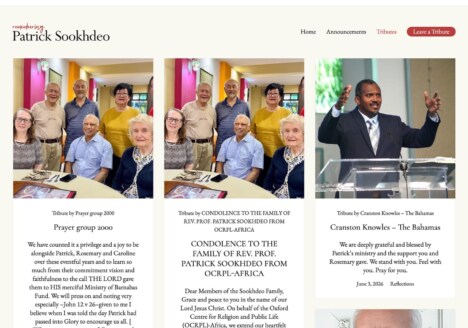
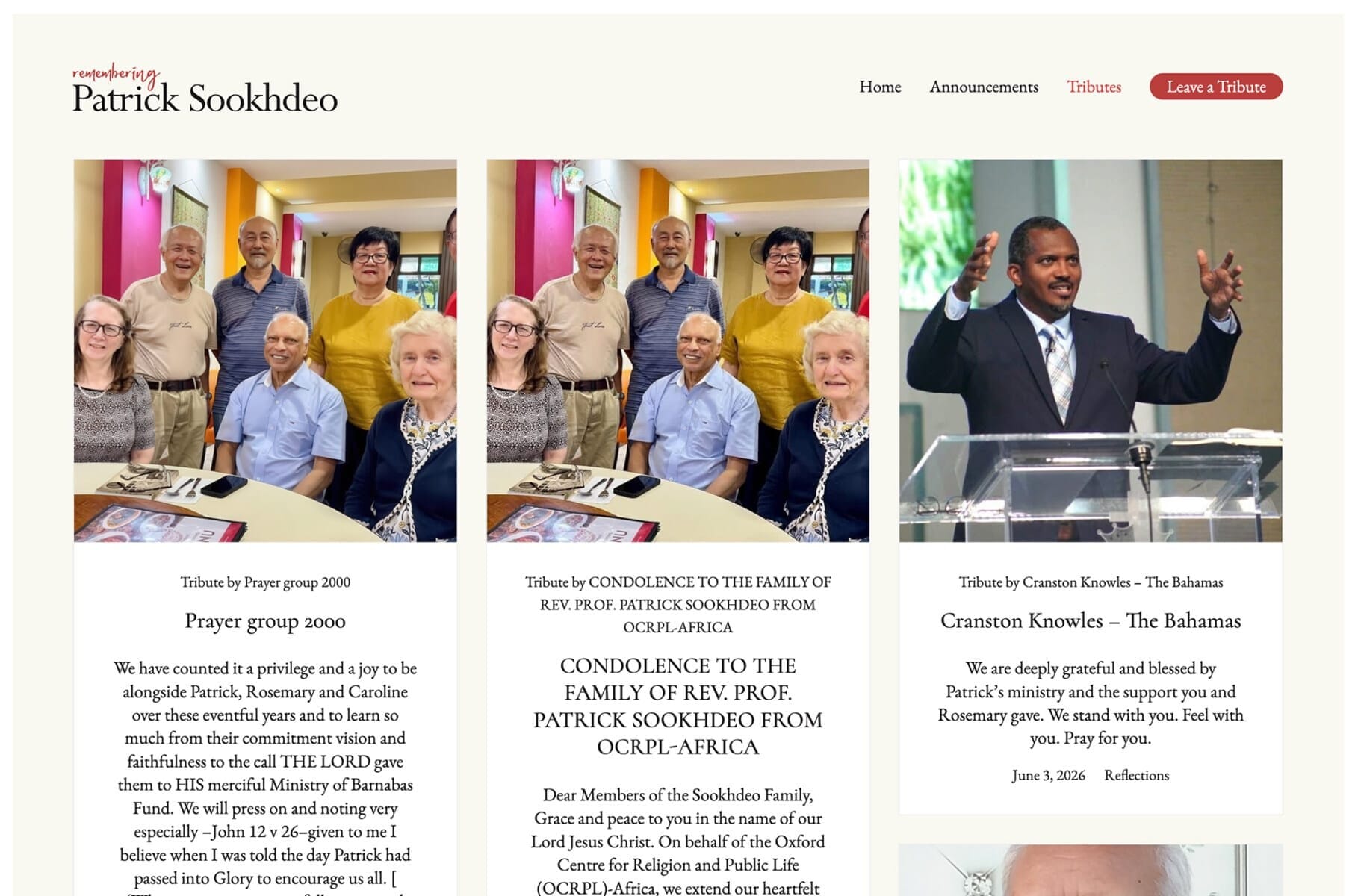
A remembrance website is more than an online record of dates and photographs. It can become a gentle place where a family returns to remember, contribute, and notice how a loved one’s influence continues in everyday life. Good Remembrance Website Design gives those different needs room to exist together: quiet reflection, shared storytelling, practical information, and the small details that make a person feel present in the memories of those who knew them.
The most successful memorial websites feel personal without becoming difficult to use. They guide visitors with care, make contributions feel welcome, and remain flexible as new stories emerge. That balance is especially important around anniversaries, birthdays, remembrance gatherings, and the ordinary moments when someone wants to revisit a familiar photograph or read a treasured memory.
Begin with the life behind the website
Before choosing colours, layouts, or features, it helps to think about the character of the person being remembered. Were they known for warmth, humour, curiosity, generosity, or a particular love of place? The answers can influence the tone of the design without turning the site into a themed template. A calm, spacious layout may suit someone who loved long walks and open landscapes, while a more vivid collection of photographs and stories may reflect a sociable life full of friends and occasions.
This does not mean every page needs to explain the design choices. Often the strongest details are subtle: a meaningful image at the top of the story, a short line from a favourite poem, a considered typeface, or a colour drawn from a much-loved object. A thoughtful memorial web design allows these details to support the memories rather than compete with them. The website should feel like a doorway into the story, not a display of visual effects.
Create a structure that welcomes different kinds of visitors
Families rarely visit a remembrance website for exactly the same reason. One person may want to read the biography, another may be looking for service information, and someone else may want to add a photograph or leave a message. Clear navigation helps each visitor find their place quickly. A simple set of sections might include the main life story, a photo gallery, memories and tributes, important dates, and information about a gathering or charitable donation.
It is worth planning the hierarchy before writing every page. The opening section can offer a concise introduction, while deeper pages provide the fuller story for visitors who want to spend more time. This approach echoes the value of simplicity in meaningful memorial web design: fewer, clearer choices usually feel more respectful than a crowded menu of features.
Good structure also supports accessibility. Text should be easy to read, links should make sense out of context, and important information should not be hidden inside images. Visitors may be using a phone, a tablet, or assistive technology, so a calm layout needs to work beyond the designer’s own screen.
Leave space for the family to add to the story
A memorial website should not assume that the complete story can be written in one sitting. Families often remember additional details gradually: a colleague recalls a kindness, a grandchild discovers an old letter, or a photograph brings back an afternoon that nobody had thought to record. Making room for these contributions helps the site develop naturally and means that different generations can see their own memories reflected.
Contribution does not have to mean an elaborate public system. A clearly explained process for sending a story, photograph, or correction can be enough. It may also help to agree simple family guidelines about privacy, names, captions, and moderation. The aim is to make sharing feel safe and manageable while preserving the warmth of an informal family collection.
This continuing quality is explored in creating a remembrance website that grows with a family’s memories. A flexible design recognises that remembrance is not a finished project. It is a living relationship with the past, renewed whenever someone adds a thought or returns to an existing story.
Design for the moments when people return
Many visits happen after the launch, when the initial announcements have passed and the website becomes part of a family’s own rhythm. Someone may visit on a birthday, before travelling to a familiar place, or during a difficult week when they want the comfort of a particular memory. These returning visits benefit from pages that load quickly, work well on mobile devices, and make familiar content easy to reach.
Small practical decisions make a meaningful difference. Captions can identify people and places without overwhelming the image. Dates can provide context while leaving room for the emotion of the story. A consistent link style helps visitors understand where they are going next. The experience should be unhurried, but never confusing.
Let new traditions sit alongside old memories
The most valuable remembrance websites do not only look backwards. They can hold the traditions a family continues because of someone: an annual walk, a recipe prepared on a birthday, a donation made in their name, or a story retold whenever everyone gathers. Including these living connections gives younger visitors a way to understand a legacy as something active rather than distant.
That is why a site can include both archival material and new contributions. A page about important anniversaries might sit beside a collection of everyday memories, while a tribute can link to the places, values, or causes that still matter. Families considering how to keep adding meaningful material may find useful ideas in building a memorial website that families can add to together.
Remembrance Website Design is at its best when it makes connection easier: between generations, between memories, and between the person who has died and the life that continues. With a clear structure, generous space for contributions, and details shaped by the individual, a memorial website can become a lasting digital home—quiet when it needs to be, welcoming when someone wants to share, and ready to hold the next story too.