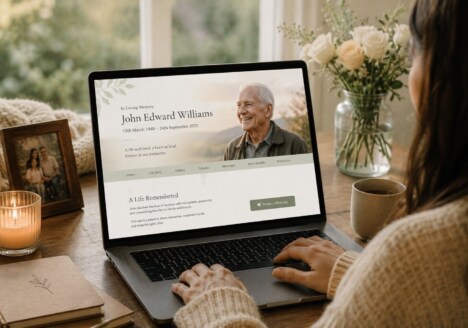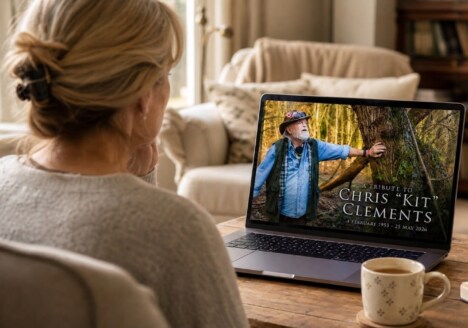
A remembrance website can become more than an online announcement or a collection of photographs. With thoughtful planning, it offers a calm, lasting place where family members can return to a person’s story in their own time. Good Remembrance Website Design gives the important details room to breathe while making it easy for different generations to contribute memories, discover one another’s perspectives and keep meaningful traditions alive.
The most successful memorial spaces feel personal without becoming difficult to use. They reflect the character of the person being remembered, but they also understand the needs of the people visiting: someone may be looking for a familiar photograph, adding a short story late at night, or returning on an anniversary to read words written months before. A considered structure makes each of those experiences feel natural rather than overwhelming.
Begin with the shape of a life, not a list of features
It is tempting to begin a memorial website project by choosing a gallery, guestbook or timeline. Those tools can be useful, but the strongest starting point is a conversation about the shape of the life being remembered. Was it defined by family gatherings, a lifelong vocation, a love of music, time outdoors, quiet acts of care or an ability to bring people together? Those qualities can guide the atmosphere, colours, language and order of the website.
For one family, the homepage might lead with a short welcome and a favourite photograph before inviting visitors into chapters of a life. For another, a simple portrait, a few lines of remembrance and links to shared stories may be more fitting. Memorial Web Design should be flexible enough to hold both approaches. The aim is not to make every page feel complete on launch, but to create a framework that feels true and can grow gently as more memories are gathered.
This is also why restraint matters. Soft spacing, readable typography and a clear navigation menu can do more for a visitor than decorative effects. A quiet visual rhythm allows photographs and personal words to carry the emotional weight. It helps the website feel like a welcoming room rather than an exhibition that demands attention.
Make room for memories that arrive in different forms
People remember differently. One relative may write a detailed account of a childhood holiday; another may share a single sentence about a familiar expression; someone else may contribute a scanned recipe, a recording, a photograph or a date that had almost been forgotten. A useful remembrance website treats these contributions as equally valuable rather than expecting every visitor to tell a polished story.
Flexible content areas can support that variety. A story section can hold longer recollections, while a memory wall can welcome brief notes. A photo collection might be organised by decade, place or relationship instead of forcing every image into a strict chronological order. If the site includes a guestbook or contribution form, the instructions should be warm and straightforward, explaining what people can share and whether submissions are reviewed before appearing.
Families planning a project may also find it helpful to consider how different people share memories. That perspective can prevent the design from quietly favouring only confident writers or the family members who are most comfortable with technology. Clear buttons, generous text sizes and a mobile-friendly layout make participation more open to everyone.
Design for return visits and important dates
A memorial website is rarely visited only once. People may return on a birthday, an anniversary, a religious holiday or a day when they simply need to feel close to someone. The design should acknowledge those return visits without turning the website into a calendar of obligations. A small “on this day” feature, a page for annual traditions or a carefully chosen selection of seasonal photographs can give the site a sense of continuity.
It is worth thinking about how the homepage will feel after the first few weeks. A welcome message can remain stable while a featured memory, recent contribution or rotating photograph gives returning visitors a gentle point of discovery. At the same time, essential information should never be hidden behind movement or changing panels. A visitor should always be able to find the main story, photo collections and ways to contribute.
Thoughtful planning can also help the family decide which parts of the site should be public and which should be shared privately. Some memories are appropriate for anyone who knew the person, while others belong within a smaller circle. Clear privacy choices, respectful moderation and a simple way to contact the site owner build trust over time. These practical details are part of compassionate design because they help people feel safe when sharing something personal.
Let the website grow without losing its original warmth
A good remembrance website does not need to be finished all at once. In fact, leaving room for future contributions often makes it more honest. New stories may emerge when relatives talk together, and old photographs may be discovered in a drawer years later. A well-organised content structure makes those additions easy to place without redesigning the entire site.
That long-term view is central to building a memorial website around the moments that shape a family. The site can hold major milestones, but it should also protect the ordinary details that reveal personality: a favourite phrase, a weekly routine, a particular way of welcoming guests or the story behind an everyday object. Those small details often become the memories people treasure most.
It is equally valuable to give the family a clear way to care for the website. Choose a small group of trusted administrators, keep copies of original photographs and written contributions, and agree how new submissions will be handled. A simple maintenance routine can preserve the site’s reliability without making it feel like a technical project. If the website includes links to charities, funeral information or community resources, review them occasionally so visitors are not sent to outdated pages.
Finally, the design should make returning feel natural. As shared memories take on a lasting shape, the website becomes a gentle record of both the life being honoured and the relationships that continue around it. The best Remembrance Website Design does not try to replace conversation, photographs or family rituals. It gives them a thoughtful digital home, allowing each person to remember in a way that feels comfortable while keeping the door open for the next story.