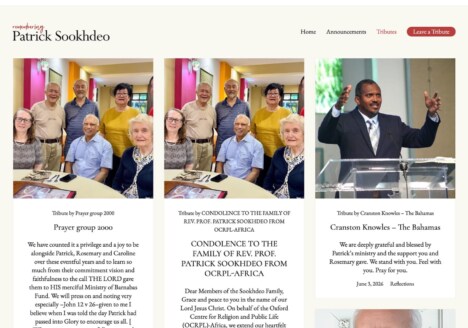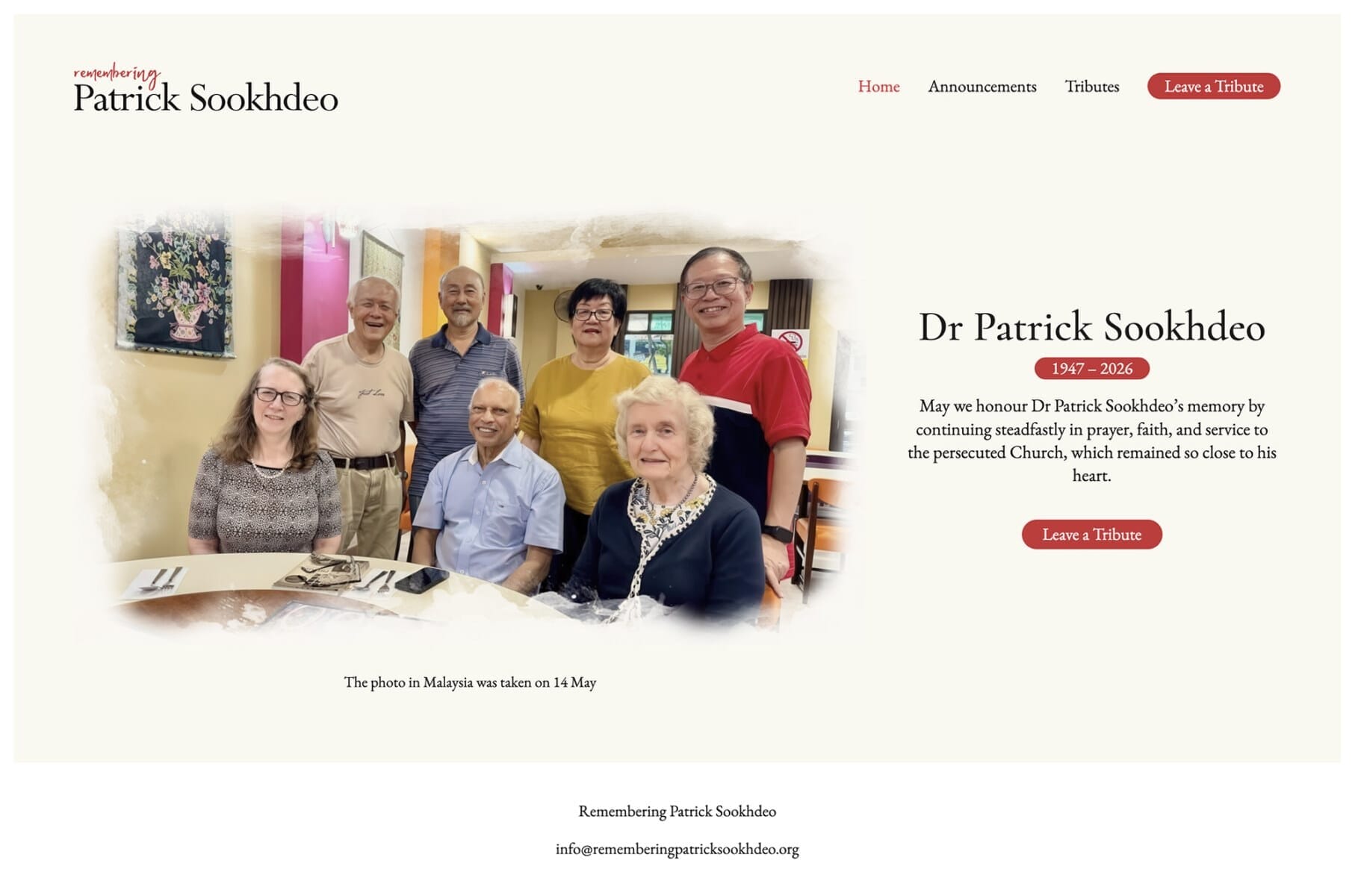
A remembrance website is more than an online notice or a digital album. It can become a calm, lasting place where family members gather the details that make one person unmistakably themselves. Good remembrance website design gives those details room to breathe: a favourite saying, a familiar recipe, a story from work, a photograph with a handwritten note, or a small moment that only makes sense to the people who were there.
That sense of welcome matters because people arrive at a memorial website in different ways. Some may be searching for practical information after a funeral, while others return months or years later because they want to hear a voice, see a face, or add a memory they have only just remembered. Thoughtful memorial web design supports both needs without making the experience feel crowded or difficult to use.
Begin with the person, not the page layout
The strongest remembrance websites start with a clear understanding of the individual being remembered. Before choosing colours, menus, or galleries, families can gather the words and objects that best express their character. Was their humour gentle and dry? Did they bring people together through music, gardening, cooking, travel, or community work? Were they private and reflective, or always at the centre of a lively conversation?
These answers can guide the tone of the whole website. A simple structure with generous spacing may suit someone whose presence was quiet and steady. A warmer, more expressive layout may better reflect a person who filled a room with stories. This is not about creating a perfect representation. It is about making visitors feel that the website has been shaped with care rather than assembled from a generic memorial template.
Families often discover that the most meaningful material is not necessarily the most formal. Alongside an obituary or life story, a remembrance website might include a list of everyday pleasures, a collection of favourite phrases, or a page about the places that mattered. These details help distant friends and younger relatives understand the person through lived experience.
Create a structure that welcomes different kinds of memory
A useful memorial website should make it easy for visitors to find their way, whether they are reading on a phone during a quiet moment or spending longer at home with a laptop. A clear introduction, a biography or timeline, a photo collection, and a memory-sharing area can provide a helpful foundation. The navigation should be visible and reassuring, with page names that explain what visitors will find.
It is also worth leaving space for memories that do not fit a formal timeline. One person may remember a wedding, another a late-night conversation, and someone else a small act of kindness that happened decades ago. A flexible tribute website can hold these different perspectives without forcing every contribution into the same format. In time, those separate recollections can form a richer portrait than one polished biography ever could.
For ideas about shaping a site around returning visitors, families can explore making room for returning memories. The principle is simple: design every page so that a visitor can pause, continue later, and still feel oriented when they come back.
Use photographs and stories with sensitivity
Images often carry an immediate emotional connection, but a large collection needs thoughtful organisation. Instead of placing every photograph into one long gallery, group them by meaningful themes such as family life, friendships, work, travel, celebrations, or quiet everyday moments. Short captions can add context, especially for relatives who did not know every person or recognise every place.
Accessibility is part of this care. Descriptive alternative text, readable type, good colour contrast, and captions that do not rely on visual information alone help more people participate. Videos should have clear titles and, where possible, captions. Music can be offered as an optional element rather than starting automatically, since visitors may be viewing the site in a public or shared space.
Stories benefit from the same restraint. Break longer passages into short sections, use meaningful subheadings, and keep the most important facts easy to find. A carefully edited story is not a reduction of someone’s life; it is an invitation for visitors to read, remember, and contribute their own connection.
Design for shared care over time
Memorial web design should consider what happens after launch. Families may want to add photographs on birthdays, update details about a charity collection, or create a new section when another story comes to light. Establishing simple contribution guidelines can protect the tone of the website while still making participation feel open. It may help to decide who reviews submissions, how private information is handled, and whether comments are moderated before appearing publicly.
A website can also acknowledge that remembrance changes. On one visit, someone may need a quiet biography. On another, they may want to read messages from friends or find a familiar photograph. Designing for these changing needs keeps the site useful without trying to dictate how grief should look.
The idea of a memorial website that grows with its family is explored in this guide to memories families keep discovering. A durable structure gives new contributions a natural home, so the website can remain active without losing its original calm.
Make the experience gentle, clear, and lasting
The best remembrance website design is often felt through what it avoids. It avoids unnecessary pop-ups, confusing menus, excessive animation, and visual competition between too many important moments. It lets a photograph remain visible, gives a story enough reading space, and makes practical information available without allowing it to overwhelm the personal tribute.
Small details can make the experience more humane: a clear way to return to the home page, a visible contact route for corrections, a sensible mobile layout, and a privacy approach that families understand. These decisions build trust for visitors who may be emotional, tired, or unfamiliar with the site.
Most importantly, the website should sound like the people who knew the individual best. A carefully chosen phrase, an honest anecdote, or an unexpected detail can create more connection than a collection of grand descriptions. Families looking at the broader role of memorial web design in shaping shared memories will find that the lasting value comes from bringing separate voices together with clarity and respect.
When a remembrance website is designed around the person, the visitors, and the possibility of future contributions, it becomes more than a static record. It becomes a shared place to return to: gentle enough for quiet reflection, open enough for new stories, and carefully made so that the connections surrounding a life can continue to be remembered.