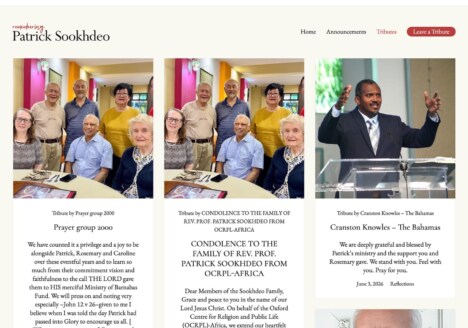
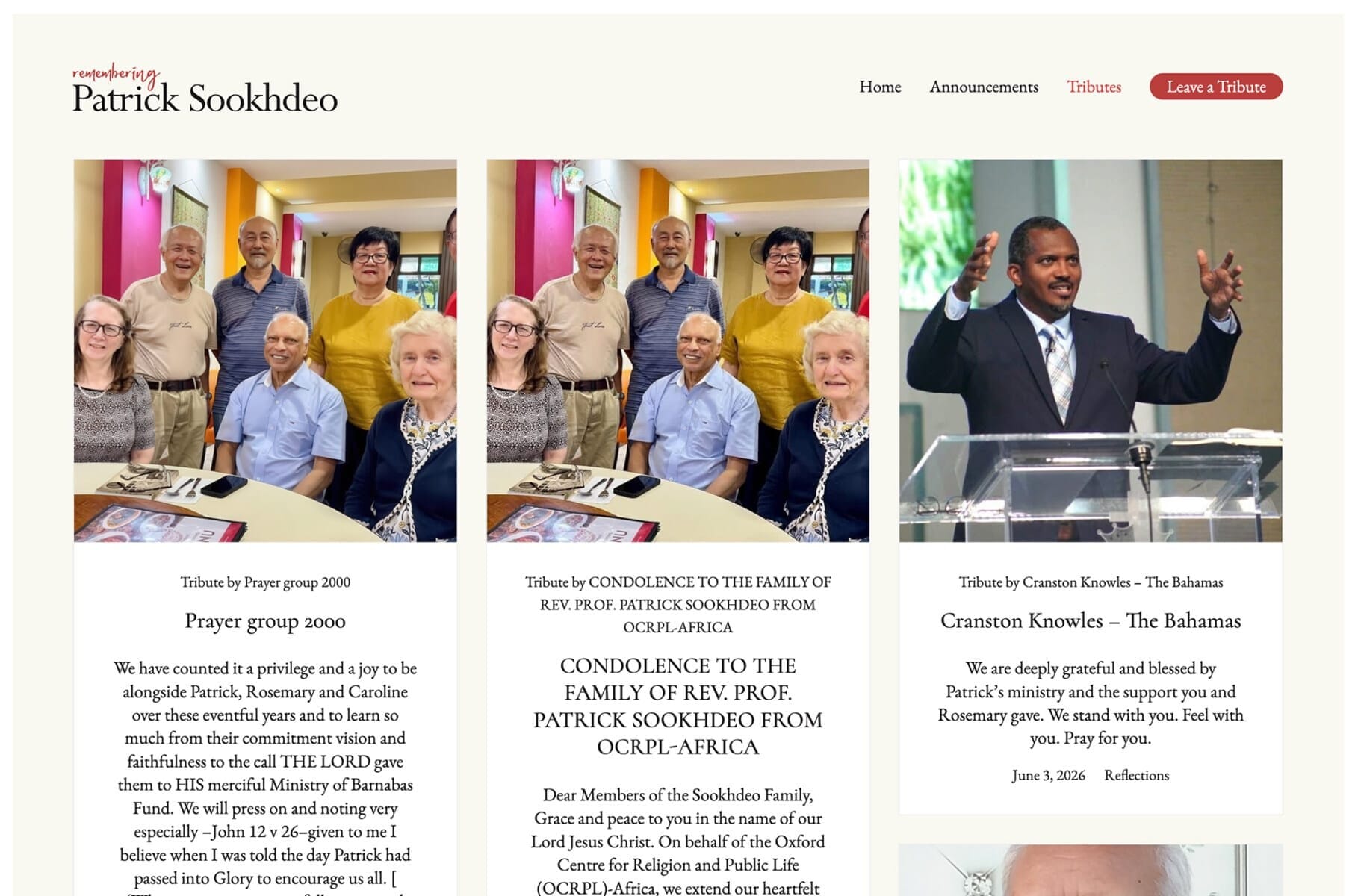
A meaningful remembrance website does more than collect photographs and dates. It gives a family a thoughtful place to return to when a familiar voice, a favourite story or a particular anniversary comes back into focus. Good Remembrance Website Design respects the fact that grief is not a straight path: some visitors may want to read quietly, while others may want to add a memory, share a photograph or leave a message for the wider family.
The strongest memorial websites feel personal without becoming complicated. They create a calm digital setting where the character of a loved one can emerge through small details: the way they welcomed people, the places they loved, the phrases everyone remembers and the traditions they started. With a clear structure and gentle visual choices, a website can hold these details together without making the experience feel like an archive or a formal announcement.
Begin with the shape of a real life
Every person’s story has its own rhythm. Some families will want a simple timeline, while others may prefer sections for childhood, work, family life, friendships, interests and community. A useful memorial website does not force every life into the same template. Instead, it provides enough flexibility for the most important parts of that person’s story to lead the design.
That might mean placing a much-loved hobby near the top of the page, creating a gallery around a family holiday or giving special prominence to a charity, club or local place that mattered. These choices help visitors recognise the individual behind the dates. They also make it easier for relatives who knew different sides of the same person to contribute something distinctive.
Families planning the first stages may find it helpful to consider how a memorial website can become a shared family space. The central question is not how much content can be added, but which memories deserve a natural place and how visitors will find them when they return later.
Make room for different kinds of remembrance
Not every memory arrives as a polished story. One person may write several paragraphs about a childhood adventure; another may contribute a single sentence, a scanned recipe or a photograph with no explanation. A considerate design welcomes all of these forms. Clear prompts, an approachable contribution process and an uncluttered layout can help people participate without feeling that their memory has to meet a particular standard.
It is also worth thinking about privacy and comfort. Some families may want the website to be open to everyone, while others may prefer a more private setting for close relatives and friends. The design should make the intended audience clear and avoid exposing personal information unnecessarily. When people understand how a contribution will be used, they are more likely to share honestly and generously.
Small visual decisions support this sense of welcome. Readable type, generous spacing, descriptive image text and predictable navigation make the website easier to use for visitors of different ages and abilities. A quiet colour palette can create warmth, but the page should still have enough contrast for comfortable reading. Accessibility is not separate from emotion; it is part of making sure every person who wants to remember can take part.
Design for the moments families return to
A memorial website may be visited most intensely at first, but its long-term value often appears months or years later. Visitors might return on a birthday, an anniversary, a seasonal celebration or an ordinary afternoon when they need to feel close to someone. The experience should therefore remain useful when the initial collection of content is complete.
Thoughtful navigation makes those return visits feel natural. A family could organise photographs by period, group stories by theme or include a prominent area for messages and annual reflections. A simple “add a memory” invitation can keep the website gently growing without turning it into a demanding project. The goal is continuity: the website should make it easy to revisit what is already there and add something new when the right moment arrives.
For more ideas about creating a lasting digital tribute, explore how a memorial website can honour both life and legacy. The best approach balances preservation with change, allowing the original story to remain clear while giving future visitors room to bring their own memories.
Let the details carry the personality
Memorial Web Design becomes most powerful when it pays attention to details that might seem modest at first. A familiar landscape can guide the colour choices. A handwritten note can inspire a small visual accent. A favourite saying can become a meaningful introduction, provided it is used with restraint. These touches help the website feel connected to a real person rather than assembled from generic memorial elements.
Photography deserves similar care. A mixture of formal portraits and everyday images often tells a fuller story than either collection alone. Captions can add context, but they should not overwhelm the image. Where possible, inviting several relatives to identify people, places and occasions can turn the process of building the website into an act of remembering together.
Families considering the emotional role of imagery may also appreciate these ideas for designing a remembrance website around returning stories. The principle is simple: every design choice should help visitors feel oriented, welcomed and closer to the life being remembered.
A lasting shape for shared memories
A remembrance website cannot remove loss, but it can give shared memories somewhere to live and continue travelling between people. It can bring together the story remembered by a partner, the funny detail recalled by a friend and the photograph a younger relative has never seen before. When the structure is calm and the content is personal, each contribution strengthens the whole.
The result is not simply a page about someone who has died. It is an evolving place of connection: one that respects the past, welcomes different voices and remains available for the moments when a family wants to remember together. That lasting shape is what makes careful memorial web design so valuable.