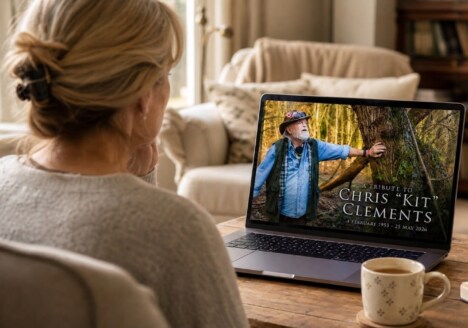
Families do not remember in a straight line. A photograph can bring back a whole afternoon, while a familiar phrase, recipe or song can open a story that has not been told for years. A thoughtful remembrance website gives those moments a calm place to gather, so people can return to them whenever they need connection, context or comfort.
Designing a digital place families can return to
The most useful memorial websites are designed around the way people actually remember. Visitors may arrive looking for a date or photograph, then stay because they discover a story they had never heard. Others may want to add a memory of their own, light a virtual candle or simply spend a quiet few minutes looking through familiar images. The design needs to support all of these intentions without making the experience feel busy.
Clear navigation is especially important. A simple structure might include a life story, photo albums, family memories, important dates and a guestbook, with each section easy to find on a phone as well as a larger screen. Gentle typography, generous spacing and a considered colour palette can make the page feel welcoming. The visual language should give content room to breathe rather than competing with the person being remembered.
This is where memorial web design that changes with a family becomes valuable. A website should feel complete when it launches, but it should also leave space for new photographs, recollections and anniversaries as the years pass.
Making room for different kinds of memory
No two people remember a life in exactly the same way. One relative may contribute a detailed account of childhood, while another remembers a particular laugh, a favourite walk or the way someone welcomed guests into their home. These smaller observations are not secondary details; together, they create a much more human and recognisable portrait.
Remembrance website design can encourage this range by offering flexible ways to contribute. A moderated memory form, a guestbook with prompts and clearly labelled photo galleries can help people decide what to share. Short captions can provide context without turning every image into an archive record. Audio, video and scanned letters may also have a place, provided they are presented simply and with appropriate care.
It helps to avoid suggesting that there is one official version of a life. Instead, the website can hold many perspectives side by side. A family story becomes richer when it includes the funny incidents, ordinary routines and acts of kindness that may not appear in a formal biography. This approach also gives younger relatives an accessible way to learn about someone they may only know through photographs.
Using structure to protect the emotional experience
Memorial content can be deeply personal, so the practical details of a website matter. Visitors should know where they are, what will happen when they submit a memory and who can see contributed material. Thoughtful privacy choices, clear moderation and a straightforward contact route help families feel that the space is being cared for.
The pacing of the page matters too. A strong opening may introduce the person in a few warm sentences before inviting visitors into the wider collection of stories. Important dates can be displayed without making the whole experience feel like a calendar. Calls to action should be gentle and purposeful: add a memory, view the gallery or share the website with someone who knew them.
Good accessibility is part of this care. Text should be easy to read, links should be descriptive, images should have meaningful alternative text and interactive elements should work without relying only on a mouse. When a memorial website is comfortable to use for people with different needs and levels of confidence online, more of the family can take part.
Letting the website grow with remembrance
A memorial website often becomes more meaningful over time. On the first anniversary, a family may add a new collection of photographs. Later, someone may write down a story they have finally found the words for. A grandchild may contribute a message after hearing an old family anecdote for the first time. The site becomes a living record of remembrance, not because the past changes, but because the family’s understanding continues to deepen.
That growth is easier when the original design is prepared for it. Consistent layouts make new posts and images feel part of the same collection. Searchable categories can help visitors find memories connected to a place, period or interest. A restrained visual system also means new material can be added without redesigning the whole site.
Families considering a remembrance website that keeps revealing new stories may find that the best starting point is not a long list of features, but a conversation about what they want people to feel when they visit. The answer might be warmth, peace, belonging or a sense of being welcomed into a shared history.
Creating a lasting invitation to remember
The strongest memorial websites do not try to recreate a person in every detail. They create an invitation: pause here, look closer, add what you know and pass the story on. This makes the experience personal without becoming overwhelming, and structured without feeling formal.
When the design balances clarity with tenderness, a remembrance website can serve many moments across a family’s life. It can be a place for immediate grief, a resource for relatives who live far away and a bridge between generations who are learning the same story from different starting points. Most importantly, it gives everyday memories the dignity of being gathered, cared for and made available to those who will want to return.
For families planning a new space, a memorial website built to gather memories over time can offer a gentle foundation. The result is not simply an online biography, but a considered digital home where connection can continue.